At a glance
Why visit the Sé
The Sé is both an active cathedral and a historic landmark. Its layered building is best understood as a record of changing architectural periods rather than a single, untouched medieval design.
Notice
Plan
A cathedral after 1147
A landmark with more than one period
Construction of Lisbon Cathedral began after the Christian capture of Lisbon in 1147. The building is commonly identified as the city’s cathedral, or Sé, but the fabric seen today is not a single moment preserved intact. Earthquakes, repairs, extensions and restoration campaigns have altered the structure over time.
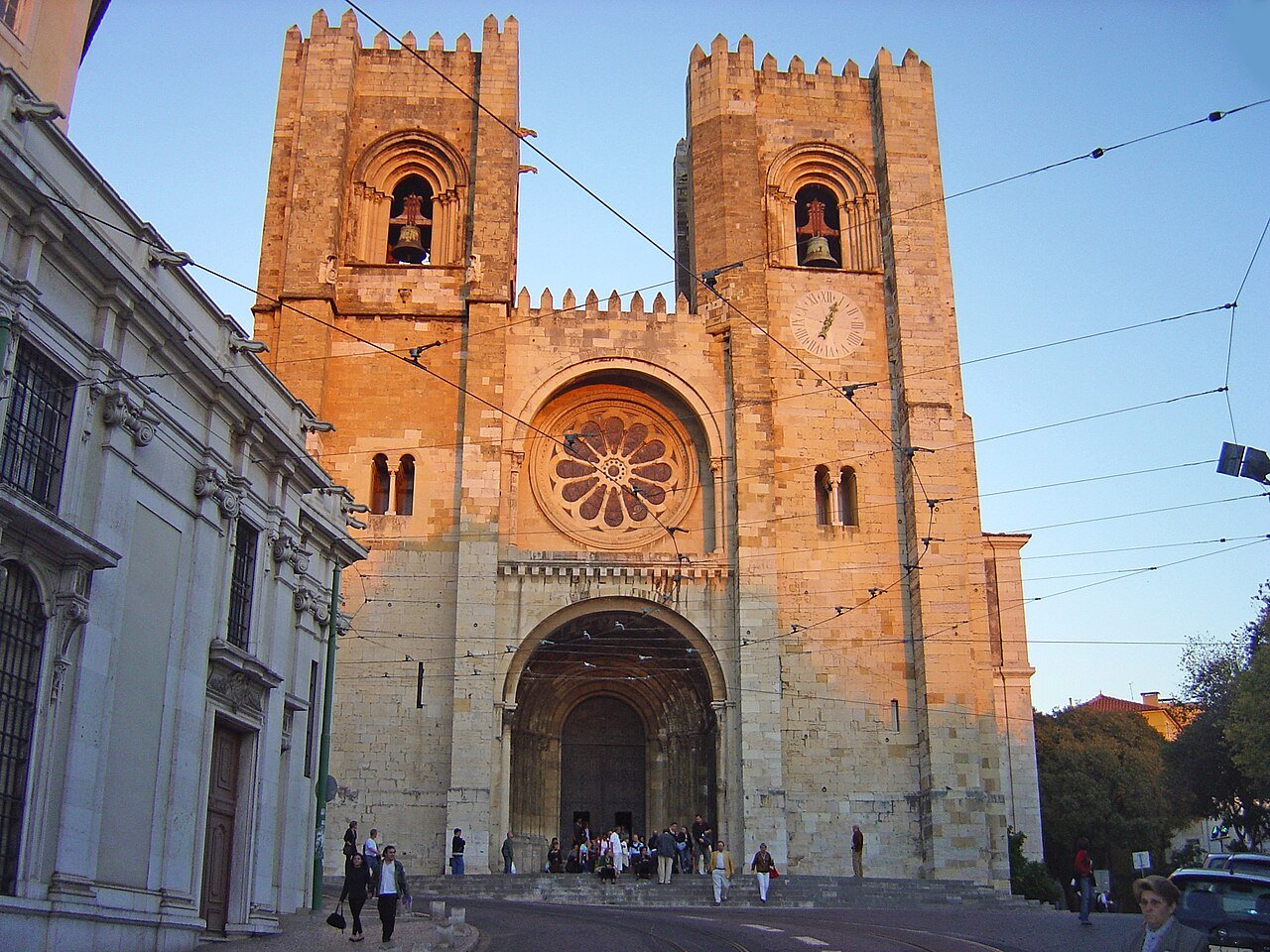
The exterior’s sturdy Romanesque character sits alongside later Gothic and Baroque elements. The rose window, towers and different stone surfaces reward a slower look. Rather than searching for one pure style, notice how the building shows the practical and devotional needs of successive generations.
Photo: Uhooep / Wikimedia Commons — CC BY-SA 4.0. Resized and compressed.
Read the layers
Inside, outside and the surrounding streets
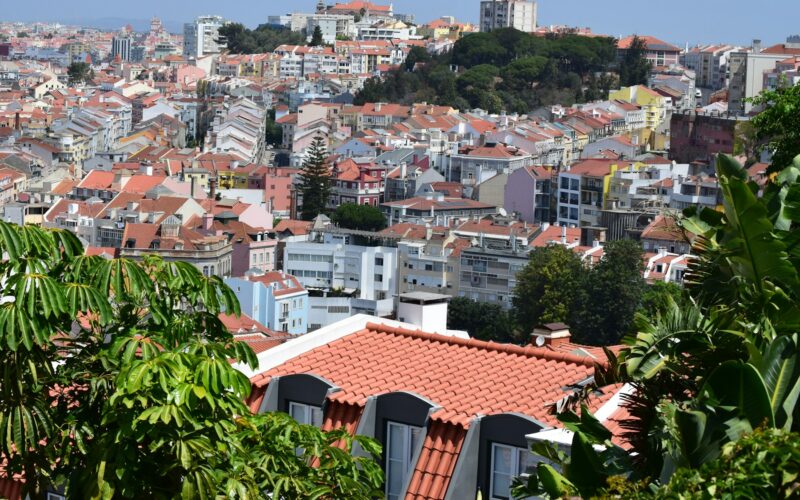
From outside, take in the façade from a little distance before approaching the entrance. The cathedral’s position on a sloping street makes the surrounding urban fabric part of the experience: trams, narrow lanes and changing levels connect it to Alfama and the lower centre. Conditions can be busy, so keep entrances and worshippers’ paths clear.
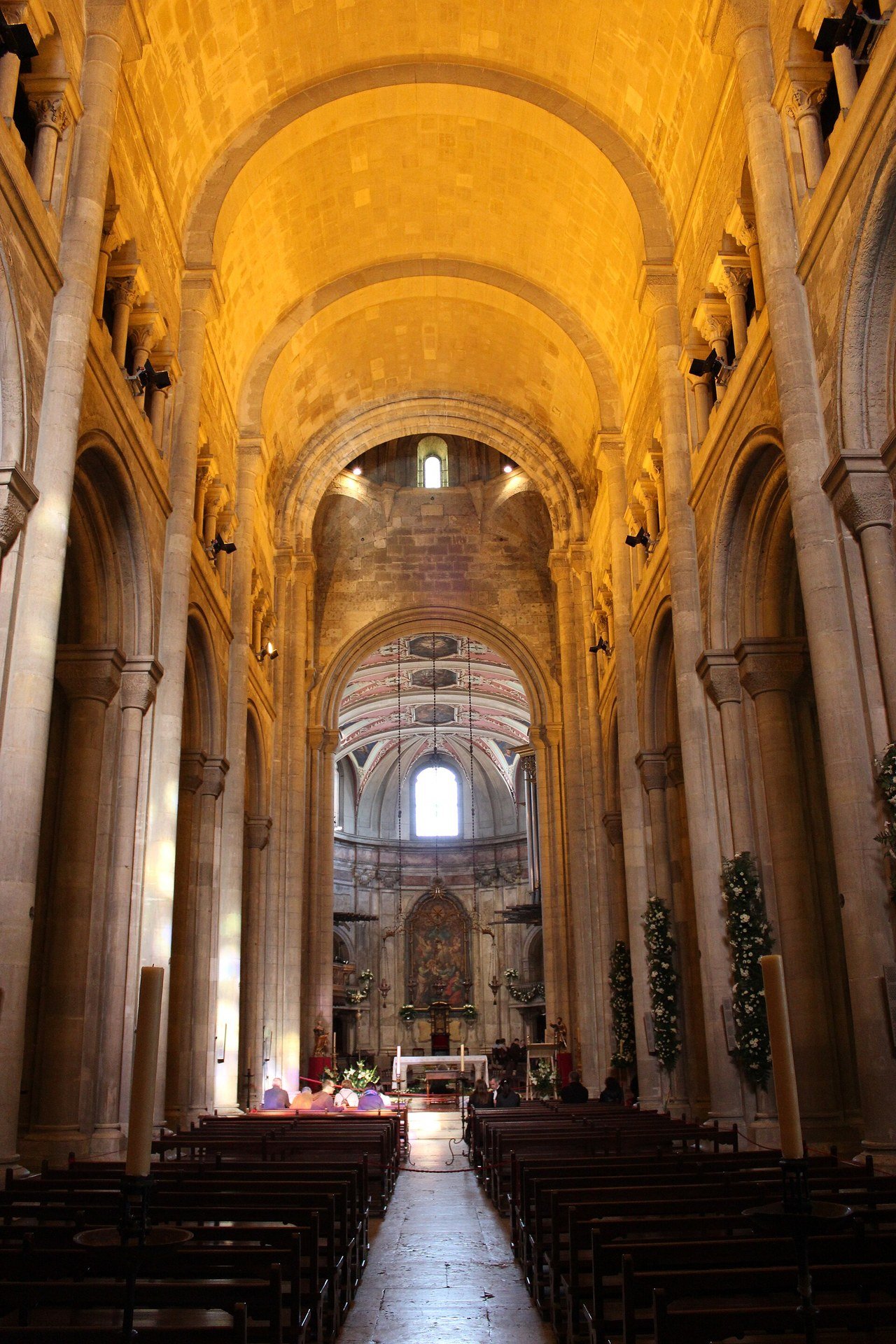
If the interior is open to visitors, follow the current instructions and distinguish areas of worship from any museum or treasury visit. Opening hours, services and access arrangements may differ by day. Consult the cathedral’s own information rather than relying on an old schedule.
Photo: Jakub Hałun — CC BY 4.0. Existing cropped version.

Fit the Sé into the old centre
Allow for hills and changing access
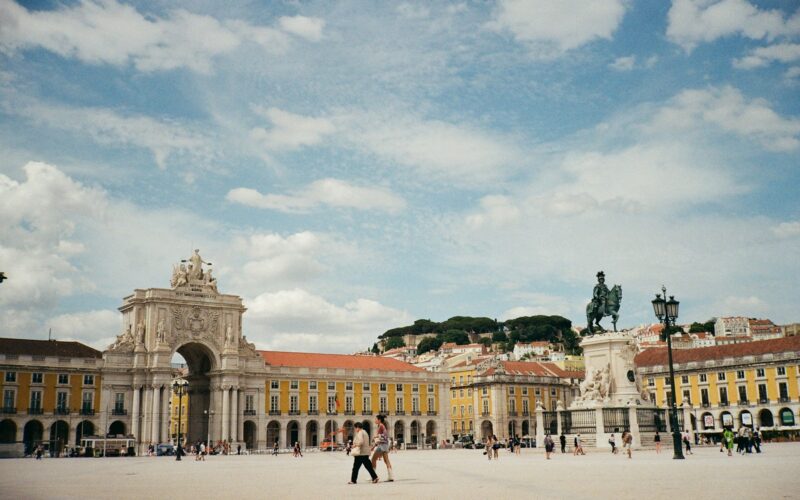
The Sé can anchor a walk between Baixa and Alfama, but the route is not flat. Choose footwear for uneven paving and steep streets, and consider transport or a shorter route if that better suits your mobility. Leave time to pause and let the cathedral’s scale register instead of combining too many nearby landmarks in one rush.
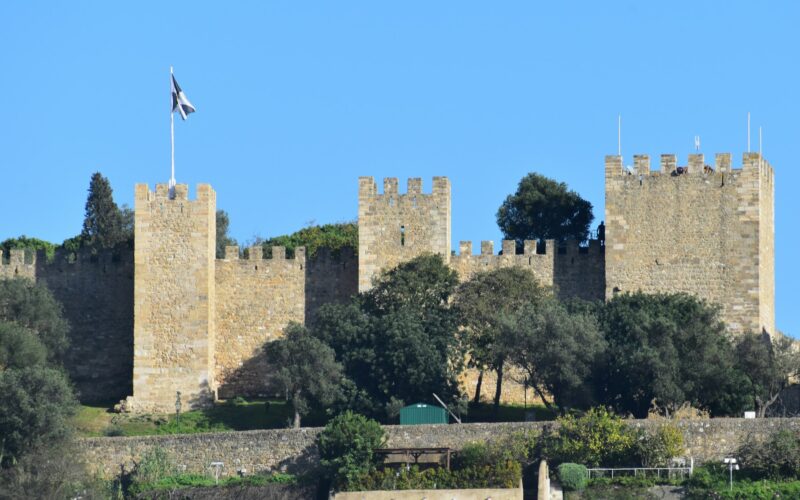
For another account of Lisbon’s historic hilltop architecture, see our guide to São Jorge Castle. The published five-day Portugal tour names the cathedral in its Lisbon programme. Check its current page and written proposal for the exact route and whether any interior visit is included.
A better way to see it
Give the building time to tell its story
Look at the cathedral as a layered place of worship, city history and continued use. Confirm visitor arrangements before entering, and plan a route that accounts for Lisbon’s slopes.
Lisbon in a Portugal itinerary
See how Lisbon fits into a private journey
The published five-day Portugal tour names Lisbon Cathedral in its programme. Review the current route and confirm any interior visit in writing; the relationship does not promise admission.