At a glance
What to know before visiting
Praça do Comércio works best as part of a walk through Baixa: look across the river-facing square, pass beneath the Rua Augusta Arch and continue into the pedestrian streets at a pace that suits you.
Best for
Allow time for
A city rebuilt
From palace yard to public square
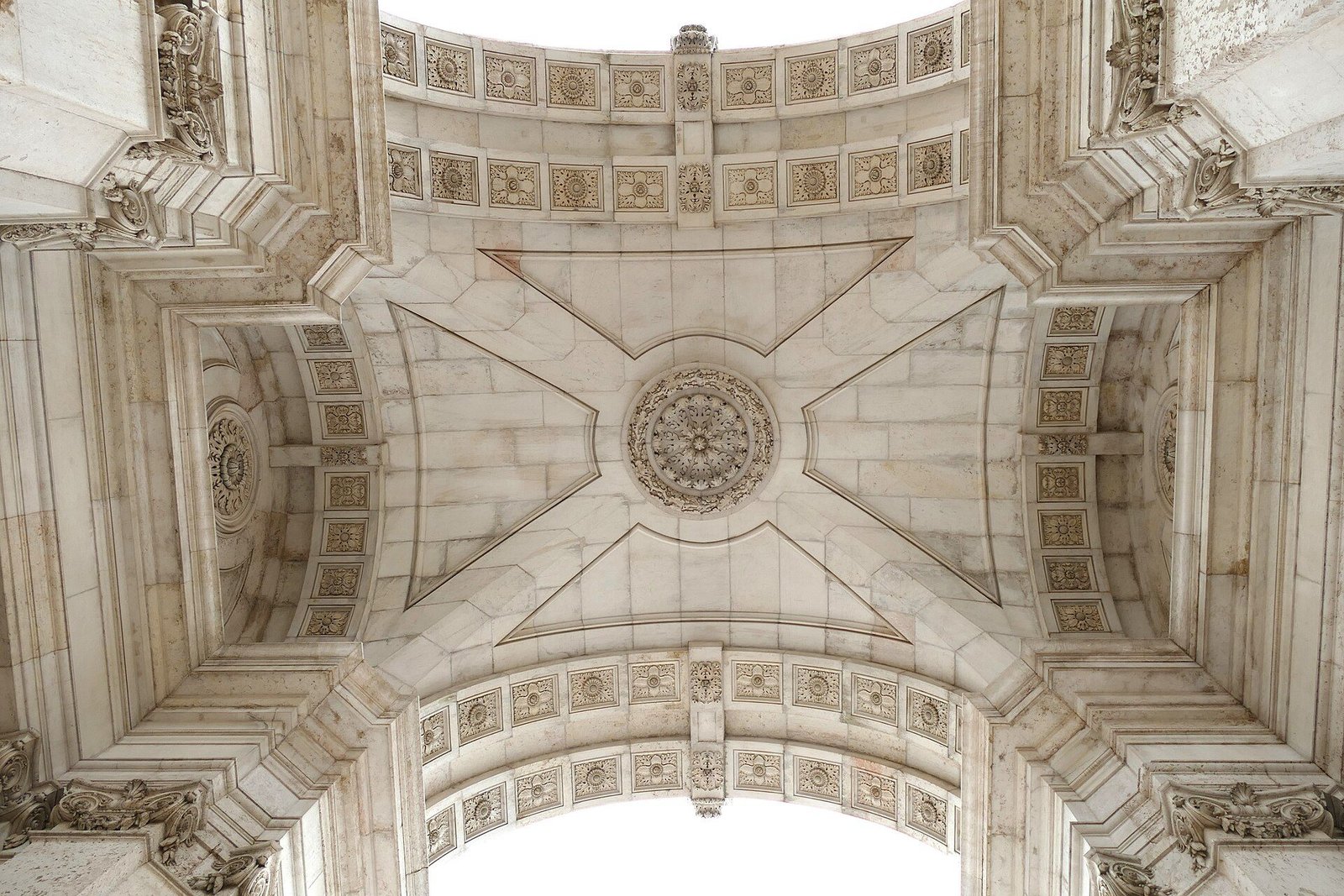
Before the 1755 earthquake, this riverside site was associated with the royal Ribeira Palace and was commonly called Terreiro do Paço. The earthquake and the rebuilding that followed changed the city’s centre of gravity. Praça do Comércio became a broad, ordered space facing the Tagus, with arcaded buildings defining its sides and the Rua Augusta Arch marking the northern entrance.
The name Praça do Comércio points to the square’s role in the commercial life of the reconstructed city. It is not a surviving medieval plaza: its scale and regular form belong to Lisbon’s later urban plan. Looking from the river toward the arch makes that design easier to understand than a quick photograph from the middle of the square.
Read the architecture
Arcades, arch and river edge
Walk the perimeter before crossing the open centre. The arcades create shade and a human-scale edge around a space that can otherwise feel oversized. At the northern end, the Rua Augusta Arch forms a visual gateway into Baixa. The equestrian statue of King José I anchors the central axis, while the southern side opens toward the river and the Cais das Colunas.
The square is a working public place as well as a landmark. Depending on the day, it may host events, transport activity or large visitor groups. Pause where the view is clear, then move on rather than blocking the arcades or treating the waterfront steps as a private photo set.
Photo: Kritzolina / Wikimedia Commons — CC BY-SA 4.0. Resized and compressed.
Connect the nearby districts
A useful route through central Lisbon
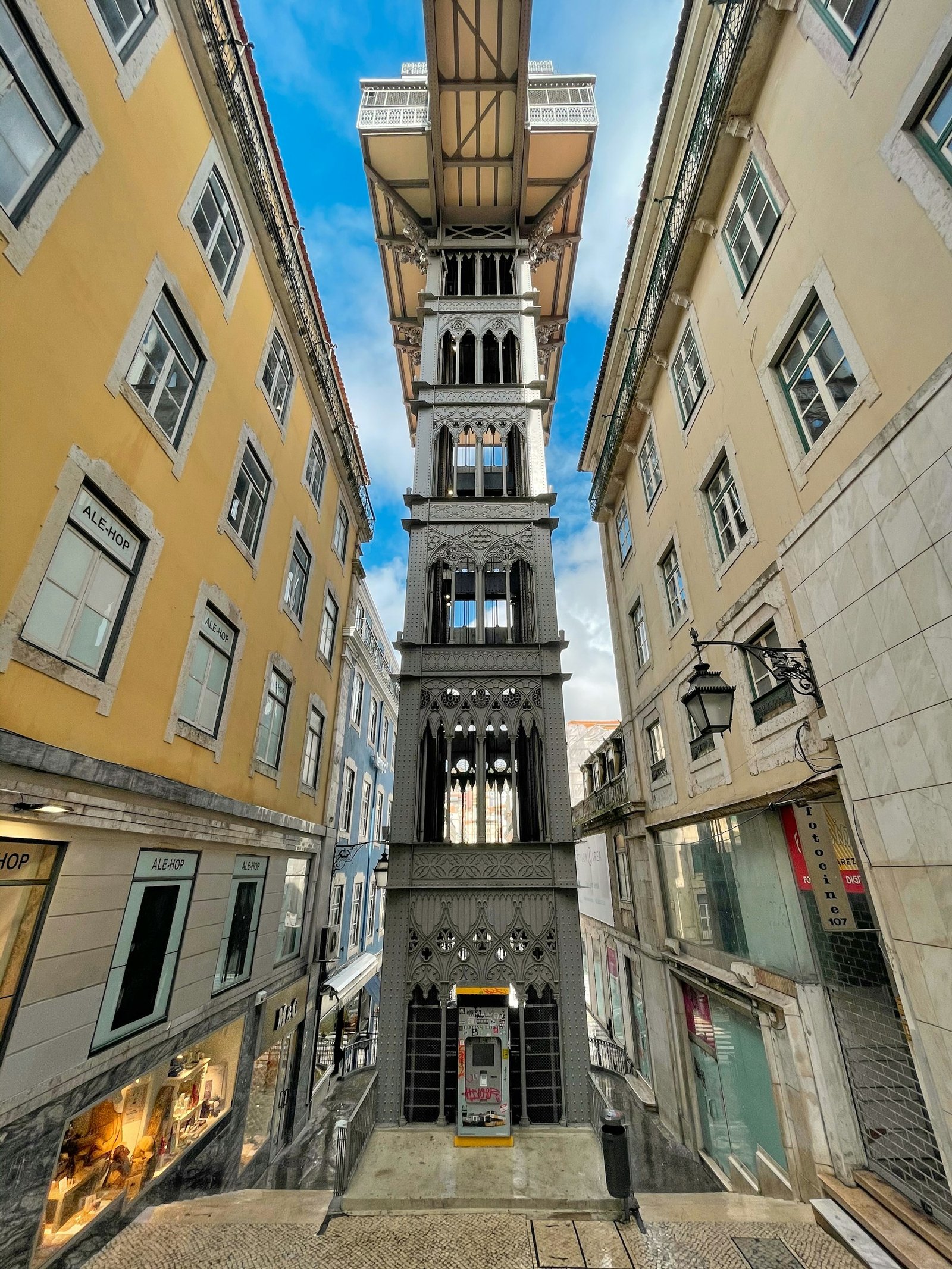
From the arch, Rua Augusta leads through Baixa’s pedestrian centre toward Rossio. Side streets connect to Chiado, while the riverfront gives a flatter alternative for a short stretch. These are nearby districts, but Lisbon’s hills make the return journey feel different: check the route and your mobility needs before choosing to continue uphill.
For broader orientation, compare the square with the rest of the city on our map of Portugal. If you prefer a private introduction to Baixa and the historic centre, see the published four-hour Lisbon tour; its page does not promise admission to any monument or a fixed stop at this square.
Photo: Adam Hornyak — Unsplash License.
A thoughtful visit
Look beyond the postcard view
Give yourself time to notice the relationship between the square, the arch, the arcades and the river. If you continue into Chiado, plan for a climb; if you want a flatter walk, stay closer to Baixa and the waterfront.
Explore Lisbon
See how a private city introduction fits your day
Walkborder’s published four-hour Lisbon tour describes Baixa and the historic centre. Review its route and discuss any specific priority before confirming; the article does not imply a guaranteed monument visit.