At a glance
What should you look for in Castelo de Vide?
Castelo de Vide combines an elevated castle setting with historic streets, Fonte da Vila and an important Jewish heritage. The synagogue museum offers a place to explore the community’s history and memory, adding context to the surrounding quarter. Give the town’s connections as much attention as individual buildings.
Choose your focus
Plan a rewarding visit
A hilltop view and a closer street scale
Read the castle together with the town
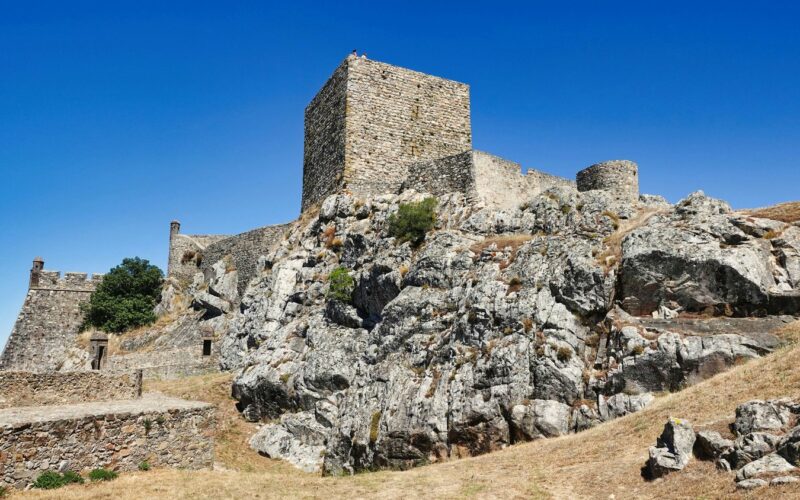
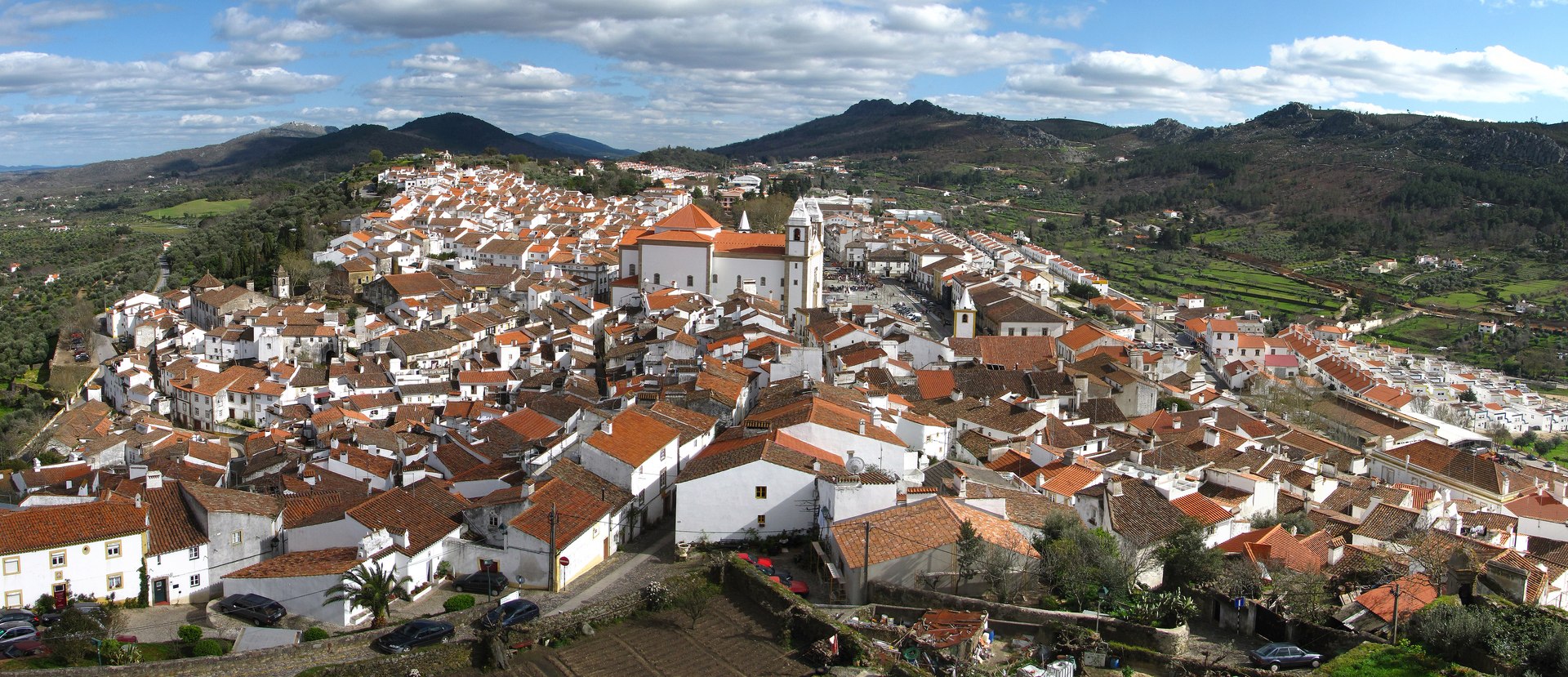
The castle rises above Castelo de Vide’s whitewashed buildings and the surrounding Alentejo landscape. Its position provides a useful starting point: look at the way the settlement gathers below, then consider the smaller scale of the streets you will explore. This relationship between an elevated defensive site and a lived-in town is more interesting than treating the castle as a brief photograph detached from everything around it.
The official tourism introduction to Castelo de Vide helps connect the town’s different interests. Choose a few areas to explore with attention rather than expecting every tower, church and museum to form one uninterrupted visitor circuit. Public outdoor access and interior opening are separate matters. A clear route through the town can remain rewarding even when you decide to concentrate on the setting rather than enter every available building.
Photo: José Porras · CC BY 3.0. Resized and recompressed; original framing retained.
A community within the town’s history
Follow the Jewish quarter through interpretation and memory
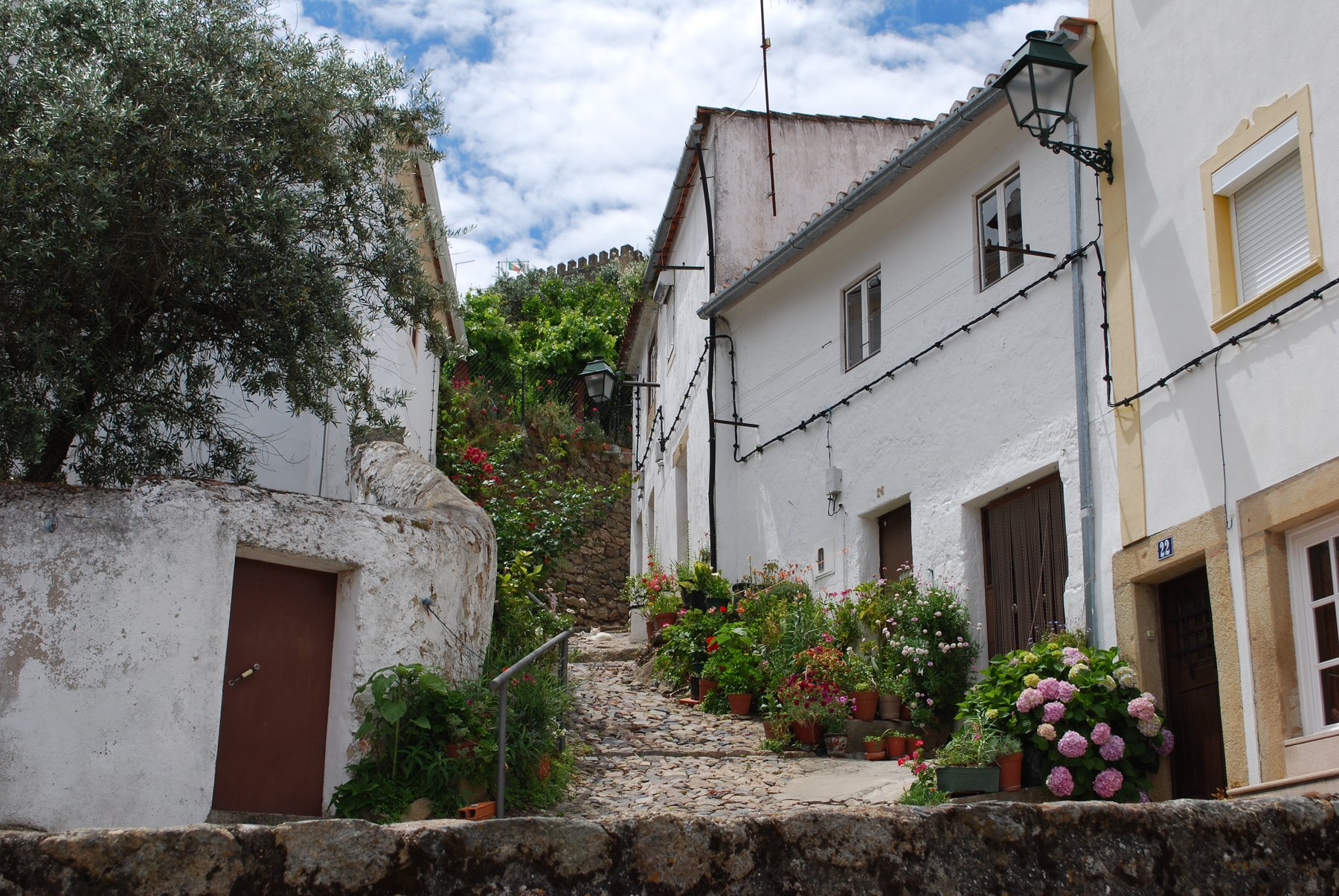
The historic Jewish quarter occupies narrow streets between the castle area and Fonte da Vila. Explore it as part of the town’s wider history, not as an isolated monument or a scene preserved unchanged from one moment. Building details can prompt questions, but a pointed doorway alone does not establish who lived there or when. Use documented interpretation to understand the community rather than assigning an identity to every house.
The municipality’s synagogue museum introduction presents a place devoted to this community memory. Choose an interior visit when you want the interpretation to deepen your understanding of the quarter, checking current access when planning. Then return to the surrounding streets with that context in mind: the relationship between the museum’s story and the town is more rewarding than treating the building as an isolated stop.
Photo: Concierge.2C · CC BY-SA 3.0. Resized and recompressed; original framing retained.
Choose a route with time to pause
Make Fonte da Vila part of a comfortable town visit
Fonte da Vila is a distinct local landmark and a useful point around which to structure the walk. Looking at a fountain in its street setting adds another perspective after the castle and narrow lanes. Let the route include pauses to notice scale, stone details and everyday use of the town. Avoid turning a short map distance into an assumption of easy walking: slopes and historic surfaces deserve attention when choosing the day for your group.
For a contrasting hilltop experience nearby, our Marvão travel guide introduces a separate walled village and castle. Choose how much time you want to give each place, including any museum interest and the movement between towns. Walkborder’s Jewish Route in Portugal is thematically related but does not visit Castelo de Vide, so a local request needs a separate agreement.
Our suggestion
Connect the castle, quarter and fountain
Choose a manageable route that gives these three parts of Castelo de Vide a relationship. Add the museum when its interpretation interests you and its current access fits, rather than making every possible interior compulsory.
Planning a Walkborder tour
Weather and itinerary flexibility
Most tours operate in normal rain or fog. The route may be adapted for safety, visibility or monument conditions. Cancellation only occurs when operation is unsafe or impractical.
Yes, within the available time, geography, ticket conditions and operational limits. Major changes should be agreed before confirmation.
Explore Jewish heritage in Portugal
Keep Castelo de Vide distinct from the published Jewish Route
Walkborder’s Jewish Route in Portugal offers a related thematic journey, but Castelo de Vide and Marvão are not in its published programme. Explore that actual route and discuss a Castelo de Vide request separately; do not assume a local stop, synagogue museum visit or added day is included.