At a glance
What makes Porto Cathedral a landmark?
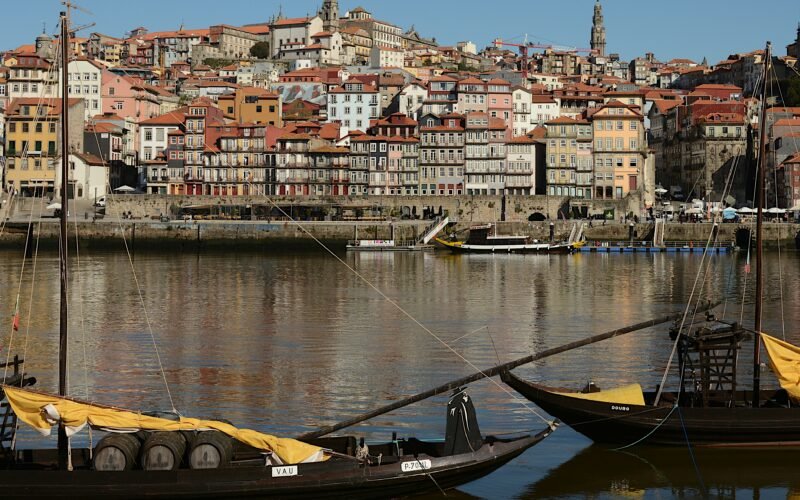
Porto Cathedral, or Sé do Porto, began as a Romanesque church in the 12th century. Its present form reflects work through the 13th century, a Gothic cloister added in the 14th century and later Baroque changes.
History and architecture
Planning a visit
History and architecture
Medieval roots and a fortress-like silhouette
Porto Cathedral stands at Terreiro da Sé, high above the city’s historic centre. Its solid Romanesque forms give the building a fortress-like appearance, a character noted by Portugal’s public heritage authority. The setting also helps explain why the Sé feels distinct from the streets below: it occupies a prominent position within the old city.
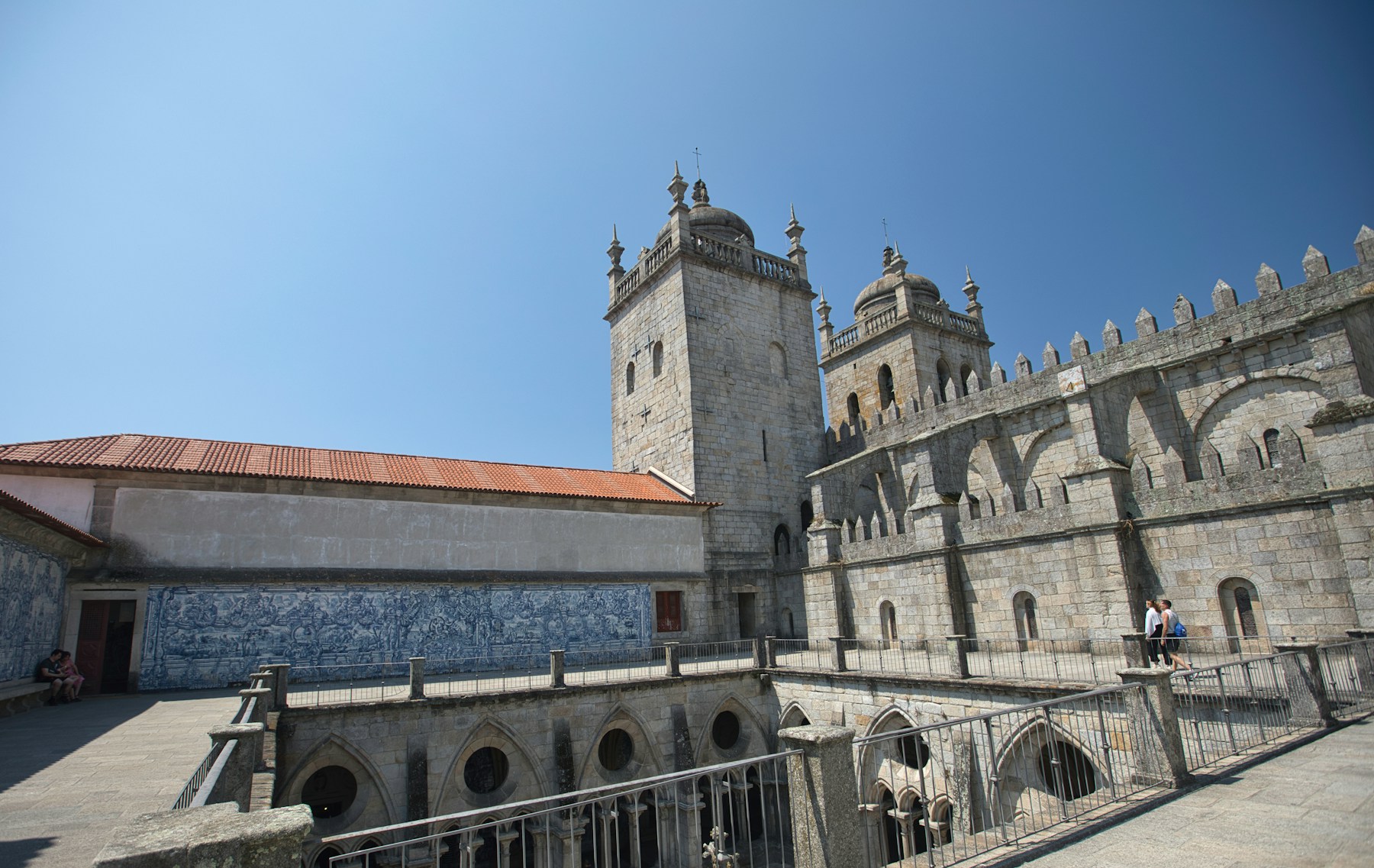
The Romanesque project took shape after D. Hugo became Bishop of Porto in 1110. Work continued into the 13th century, when the cathedral reached its present dimensions. The Gothic rose window in the façade records a later medieval layer, so the exterior is best read as a building developed over time rather than as a monument from a single period.

Art and cultural history
The Gothic cloister and the royal wedding
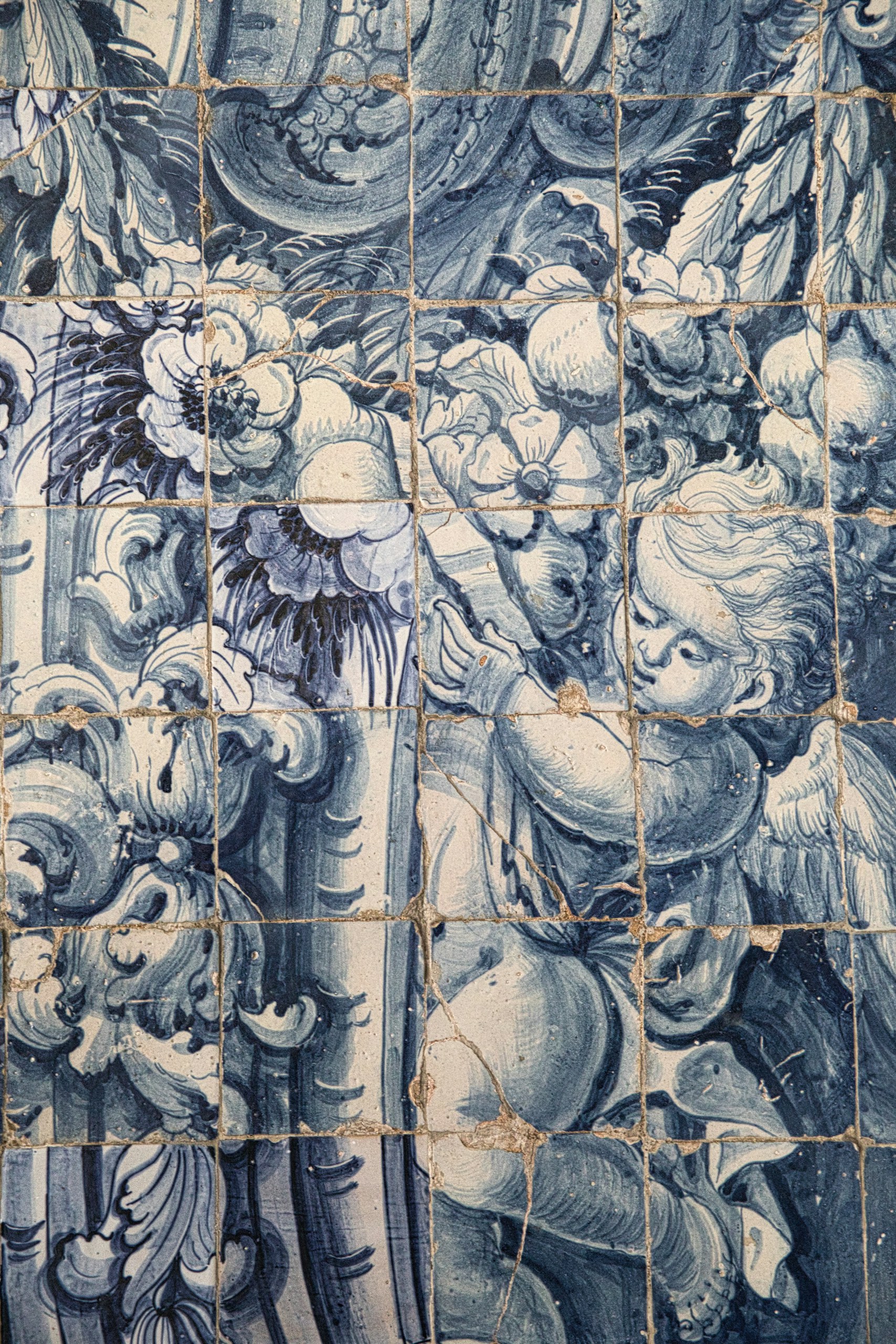
The Gothic cloister, added in the 14th century, creates a quieter contrast with the Cathedral’s sturdy exterior. Pointed arches, stonework and blue-and-white tile panels give the space its own rhythm. The courtyard is one of the places where Porto Cathedral’s architectural and decorative layers can be seen together.
The Sé also has a place in Portugal’s royal history: D. João I and D. Filipa de Lencastre married here on 14 February 1387. In the 17th and 18th centuries, Baroque taste reshaped parts of the exterior and interior, while the medieval rose window remained in the façade. These later changes are part of the Cathedral’s story, not a separate building added beside it.
Practical guidance
How to include the Sé in a Porto visit
The Cathedral’s hilltop position makes it a natural point from which to explore the surrounding historic streets. Visitors can connect the Sé with nearby viewpoints and continue downhill towards the riverside, allowing time for the change in level and the uneven paving along the way.
Access to the church, cloister and other visitor areas can vary, and schedules or ticket arrangements may change. Confirm the current information with the Cathedral before setting a fixed itinerary. For another perspective on the city’s historic centre and riverside, continue with our guide to Porto in one day.
A closer look
Read the building as a sequence of eras
Take a moment to compare the Cathedral’s Romanesque mass with the Gothic cloister and the Baroque details. That layered view makes the Sé more rewarding than a quick stop for the façade alone.
Visitor questions
Planning a visit to Porto Cathedral
It depends on the selected tour. Each product page states exactly what is included, and the final confirmation lists any timed tickets.
The route can be adapted, but most major monuments include slopes, steps or uneven surfaces. Share mobility needs before confirmation.
Explore Porto
See the Sé in the context of the city
The Private Porto City Tour offers a broader way to explore Porto. Review its published details and confirm any specific stop or monument interior in the written proposal; tickets are included only when expressly stated.