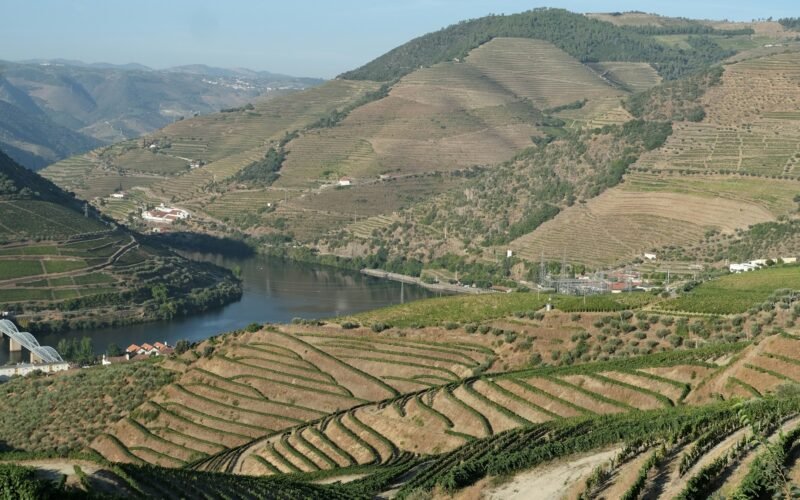
The short answer
Choose an experience before choosing a base
Choose Pinhão if the main attraction is the relationship between river, vineyards and the tiled railway station. Choose Peso da Régua if you want a museum introduction to the region alongside a town and riverfront visit. For an overnight base, check the location of the accommodation and your actual onward connections separately.
Choose Pinhão for
Choose Régua for
Pinhão: the landscape is the starting point
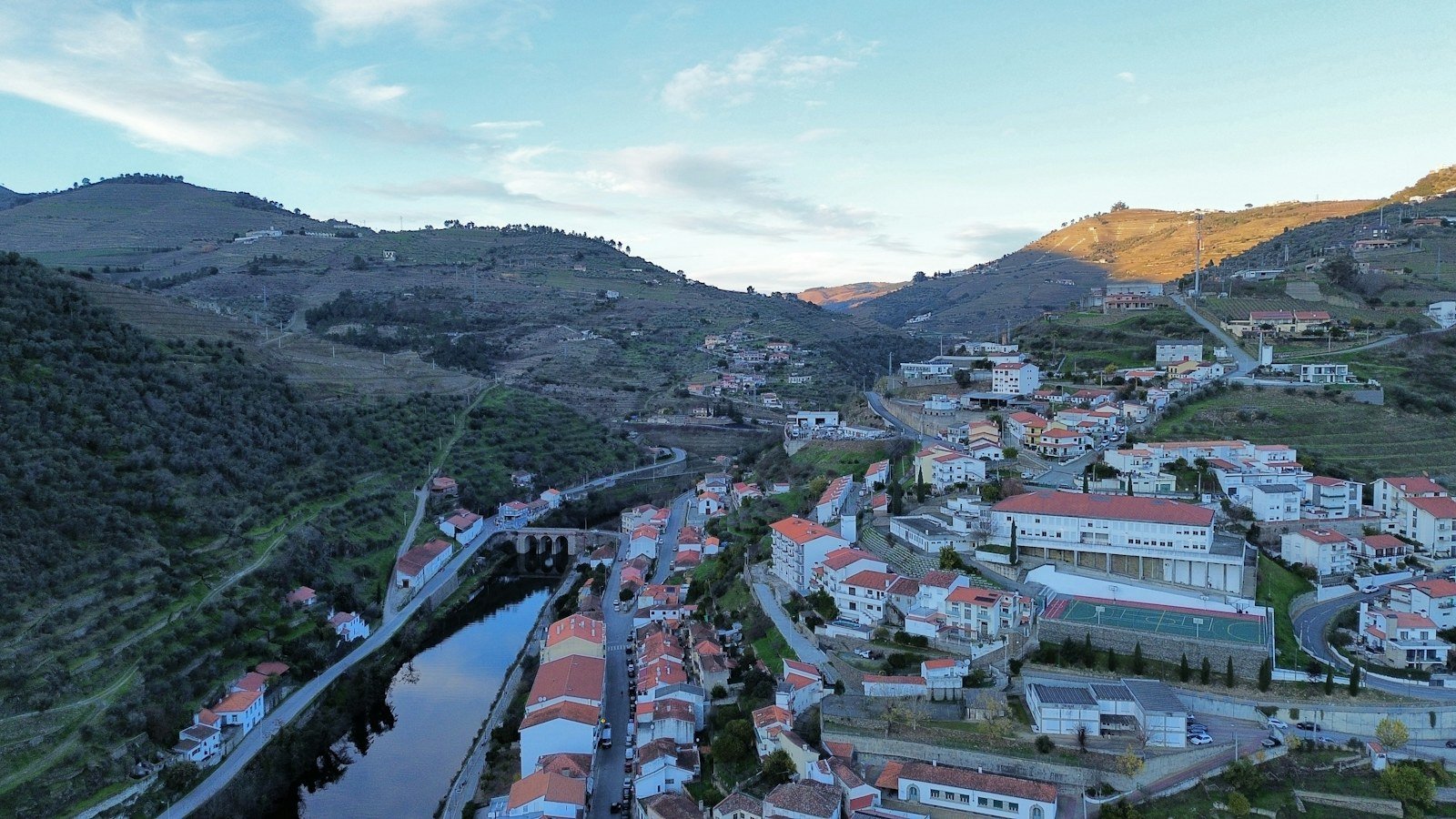
Pinhão makes sense when the landscape is the reason for the journey. The river, vineyard slopes and settlement form a setting that rewards looking beyond a single viewpoint. The railway station adds a more specific stop: its azulejo panels depict vineyard work and Douro scenes, connecting the view outside with the people who shaped it.
Do not confuse arriving in the village with having access to every quinta nearby. A property on the hillside can require a separate transfer, an appointment and time for the return. Select one visit that interests you and ask the operator about language, access and what is actually included before combining it with another activity.
The national tourism introduction to Pinhão provides regional context. Our Douro Valley in one day guide addresses the different question of how much a day can realistically contain.
Pinhão: river, bridge and vineyard slopes — Photo: Steve Matthews / Unsplash · Unsplash License. Source · Unsplash License.
Peso da Régua: understand the Douro before exploring it
In Peso da Régua, the Douro Museum offers a structured introduction to the region through its cultural and wine heritage. Its headquarters occupy the historic Casa da Companhia. Visiting a museum is a different use of time from booking a tasting: decide whether you want interpretation, a winery experience or both, rather than treating them as interchangeable.
Combine the museum with time in town and by the river if that matches your interests. Keep a weather alternative in mind, but confirm the museum’s opening and access arrangements for your date; an indoor option is only useful when it is open and suitable for your group. The museum’s own visitor information is the appropriate reference.
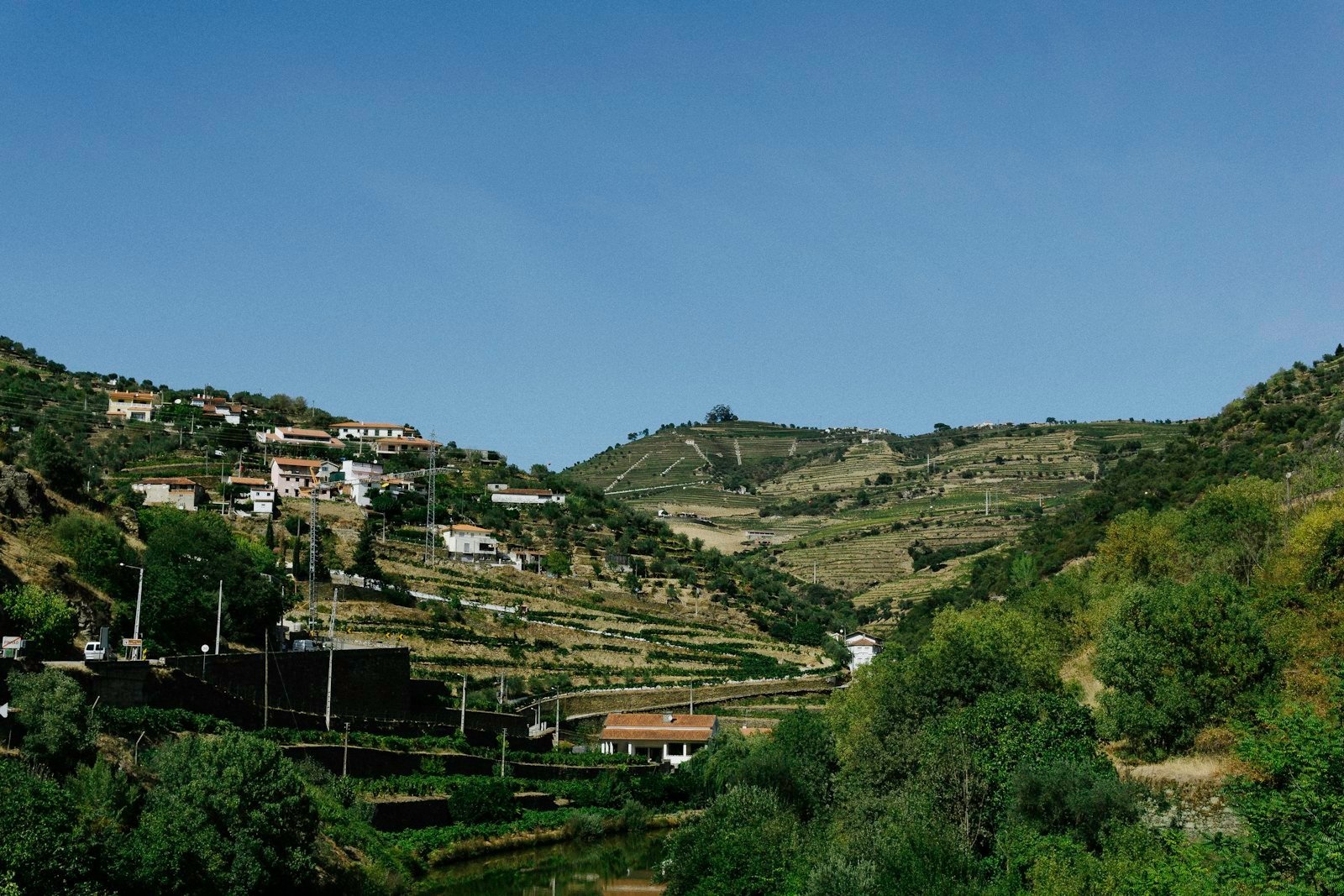
The vineyard photograph illustrates the surroundings of Régua. It is not a view of the museum or a promise that a particular estate is part of your visit.
Vineyard slopes in the surroundings of Peso da Régua — Photo: Ricardo Resende / Unsplash · Unsplash License. Source · Unsplash License.
Pinhão and Régua compared
| Decision | Pinhão | Peso da Régua |
|---|---|---|
| Main reason to choose | River and vineyard setting, with the tiled station. | Douro Museum and a town-and-river introduction. |
| Visit to arrange separately | A quinta, tasting or boat departure. | Museum admission and any separate wine experience. |
| Overnight decision | Check the exact property, slope and transfers. | Check the exact property and onward route. |
| Transport decision | A station arrival does not solve hillside access. | A convenient arrival does not confirm every onward connection. |
| What not to assume | All quintas are walkable or open without booking. | A museum visit includes a tasting or a cruise. |
Can you visit both without rushing?
They can be complementary, but adding a second place is worthwhile only if the connection leaves enough time for the visits you value. Start with one anchor activity: the museum in Régua, or a confirmed experience near Pinhão. Then check the outward journey, the transfer between places and the return using current operator information.
If relying on rail, consult CP for your date instead of building a plan around an old timetable. If driving, account for parking, the specific quinta entrance and the return after any tasting. If mobility is a concern, ask about the actual route and surfaces; a riverside location does not establish step-free access throughout.
When the connections do not work, choose one place well. A slower visit with time to understand the Douro is more useful than collecting two place names while losing the experience you came for.
A practical recommendation
Match the private tour to the place you have chosen
Walkborder’s published Douro Valley Tour names Pinhão in its itinerary. It is a relevant starting point if that is the experience you want. This recommendation does not establish a stop in Peso da Régua, a hotel stay, a tasting or a cruise as part of your booking. Check the current programme and confirm the details that matter in the written proposal.
Travel with Walkborder
Explore the Douro with a clear priority
Start with the published Pinhão itinerary and ask which arrangements fit your group, rather than assuming that every Douro experience is included.