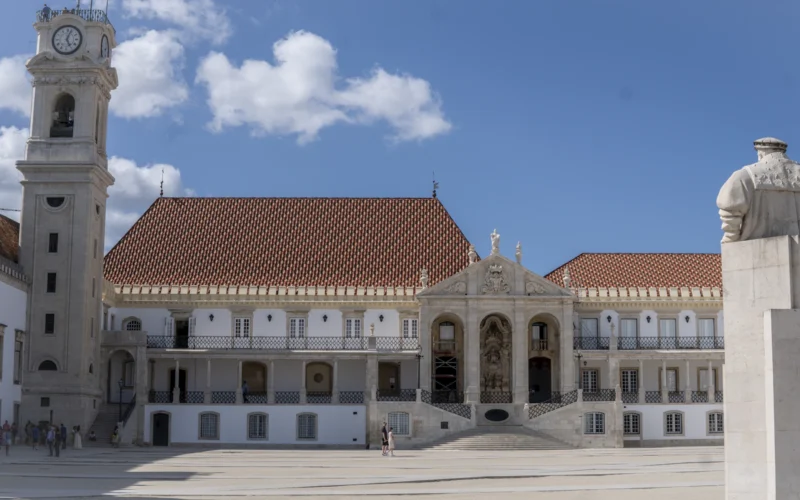
At a glance
What should you see at Conímbriga?
Begin with the museum for context, then follow the excavated city through its houses, mosaics, streets and public remains. The value comes from seeing how the pieces connect.
Read the city
Plan the pace
Urban history in the landscape
A Roman city you can read in layers
The National Museum of Conímbriga presents the excavated city, its archaeological reserves and museum collections as one visitor experience. Research and excavation have continued for generations, and the site became a National Monument in 1910. That long history of study is part of what makes a visit useful: the ruins are evidence, not a staged reconstruction.
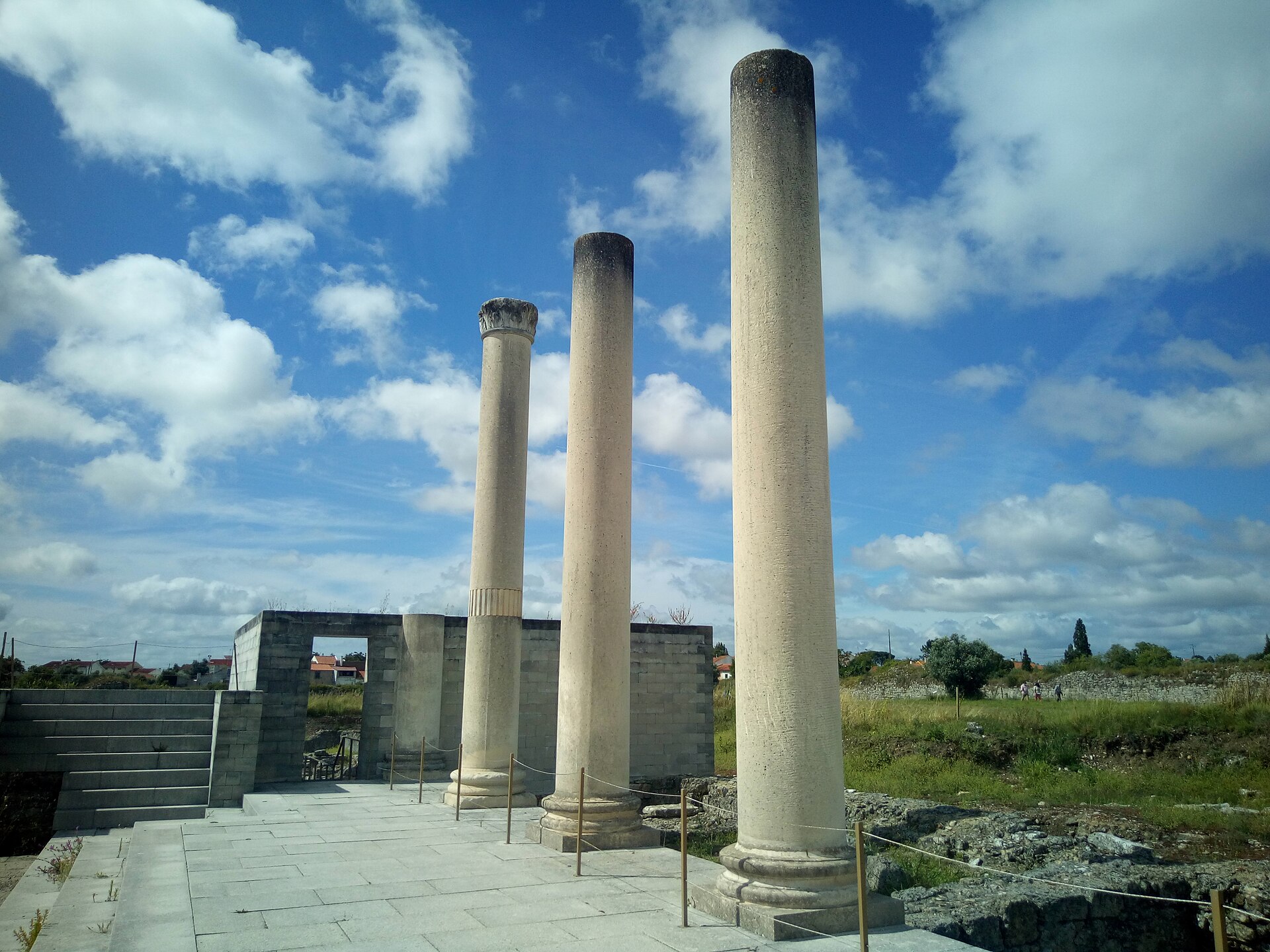
Walk through the remains with the city plan in mind. Houses, streets, drainage, public buildings and late Roman walls reveal different moments of urban life. Instead of searching for one perfect view, notice how the scale of the spaces changes and how the surviving materials point to everyday routines.
Photo: Hugo Ferreira / Wikimedia Commons — source · CC BY-SA 4.0.
Details inside the larger plan
Mosaics and houses reward close attention
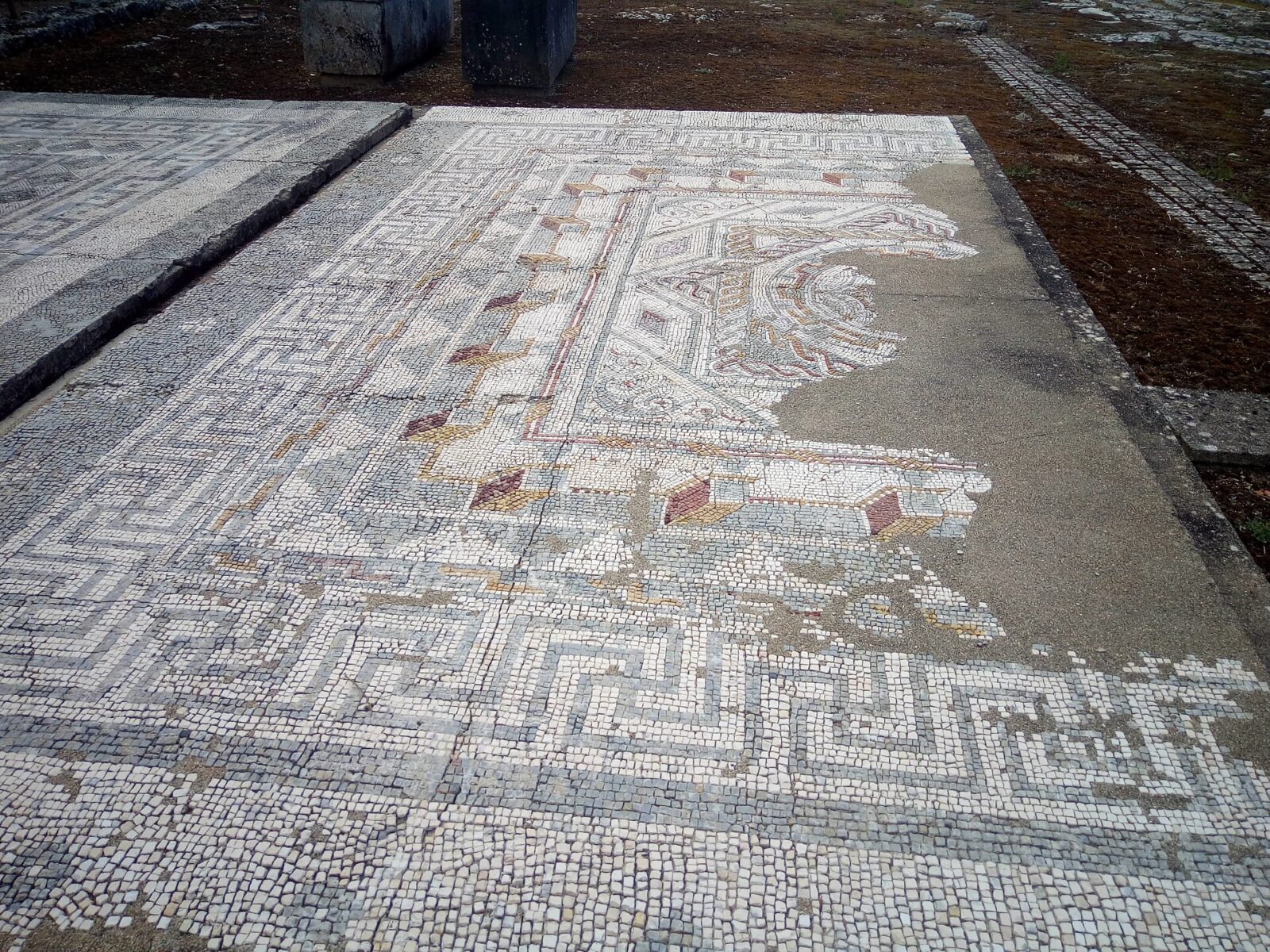
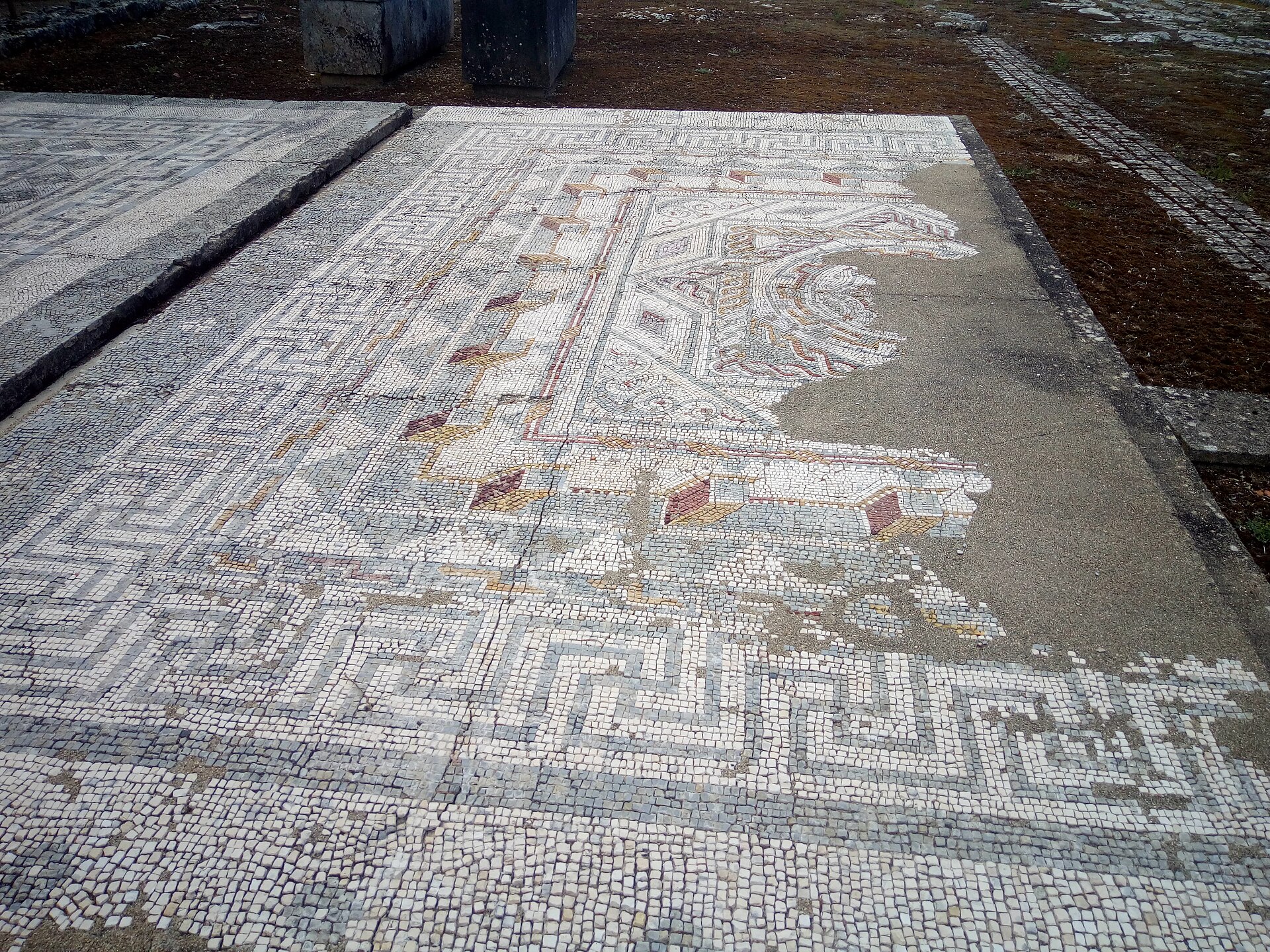
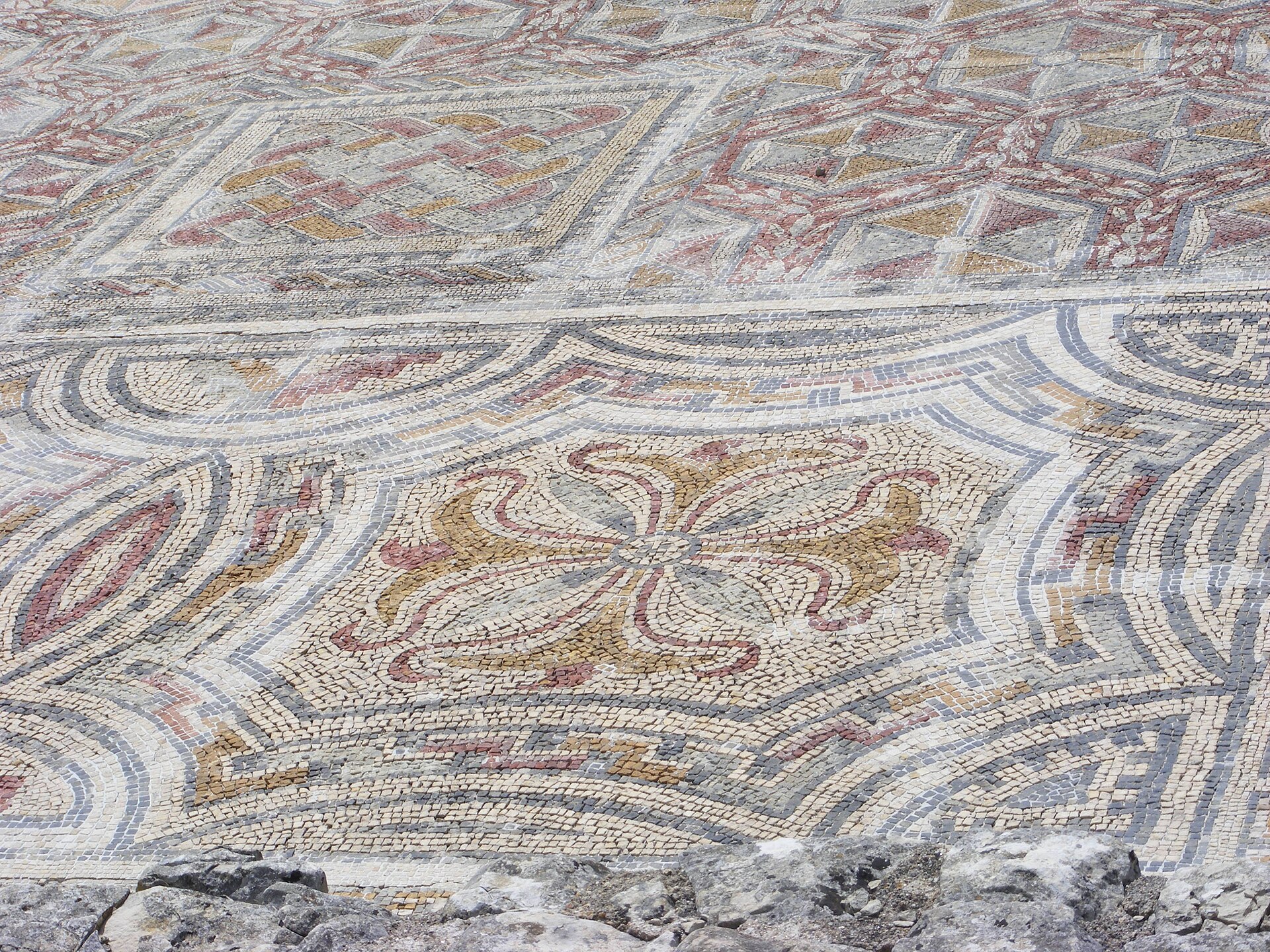
Conímbriga’s mosaics are visually immediate, but their position inside houses is equally important. Patterns, thresholds, courtyards and rooms show how decoration worked with movement and status. The Casa dos Repuxos and other residential remains help connect fragments of flooring to the architecture around them.
The museum adds objects and explanations that are difficult to read in the open air. Use it to identify what you have seen and to place the site in the history of Romanisation in this part of Lusitania. Do not assume every surface is accessible or equally visible; conservation and weather influence the route.
Photo: Hugo Ferreira / Wikimedia Commons — source · CC BY-SA 4.0.
Practical planning
How to plan Conímbriga from Coimbra
Conímbriga works as a focused half-day from Coimbra or as part of a central Portugal itinerary. Wear shoes suited to outdoor paths, allow for sun or rain and keep time for the museum as well as the ruins. Current ticketing, transport and accessibility information should come from the official museum resources, not from an old travel schedule.
If Coimbra is also on your route, our guide to Coimbra in one day can help you decide how much time to dedicate to the university city and the archaeological site. Walkborder’s Tomar and Coimbra private tour is the closest commercial relation; confirm whether the published programme and your preferred visit can be combined before booking.
Photo: Marta Magalhães / Wikimedia Commons — source · CC BY-SA 4.0.
Our suggestion
Give the ruins context before chasing the highlights
Start with the museum or a clear site plan, then walk the ruins slowly enough to connect the mosaics, houses and public spaces. Conímbriga is most rewarding when the city, not only its prettiest floor, remains in view.
Useful questions for a separate Walkborder tour
Weather and itinerary flexibility
Most tours operate in normal rain or fog. The route may be adapted for safety, visibility or monument conditions. Cancellation only occurs when operation is unsafe or impractical.
Yes, within the available time, geography, ticket conditions and operational limits. Major changes should be agreed before confirmation.
Continue through central Portugal
Link Coimbra with a wider route
Conímbriga is a separate archaeological visit near Coimbra. Walkborder’s Tomar and Coimbra private tour is the closest commercial option, but the exact programme, access and available time must be confirmed before booking.