At a glance
What is Belém Tower known for?
On the Tagus waterfront in Lisbon, Belém Tower is a 16th-century fortification recognised for its history and distinctive stone architecture. It shares one UNESCO-listed property with Jerónimos Monastery, while remaining a separate monument to visit.
History and setting
Architecture and visit
History
A defensive landmark shaped by the river
Francisco de Arruda constructed Belém Tower around 1514 on the banks of the Tagus. UNESCO records two connected purposes: the tower commemorated Vasco da Gama’s expedition and served to defend Lisbon’s port. Its position makes that dual role easy to understand: it is both a ceremonial landmark and part of the city’s former system of river defence.
The waterfront has changed over the centuries. Land reclamation and the silting of the river altered the tower’s surroundings, so today’s approach is not the same as the historic setting visitors might imagine from old maps. Looking at the tower from the riverbank helps connect the building to the working harbour it once guarded.
Belém Tower and Jerónimos Monastery form one serial UNESCO World Heritage property, inscribed in 1983, but they are distinct monuments with separate visitor arrangements. For broader Lisbon planning, see our guide to a private day trip from Lisbon without rushing.
Architecture
Manueline stonework with a defensive purpose
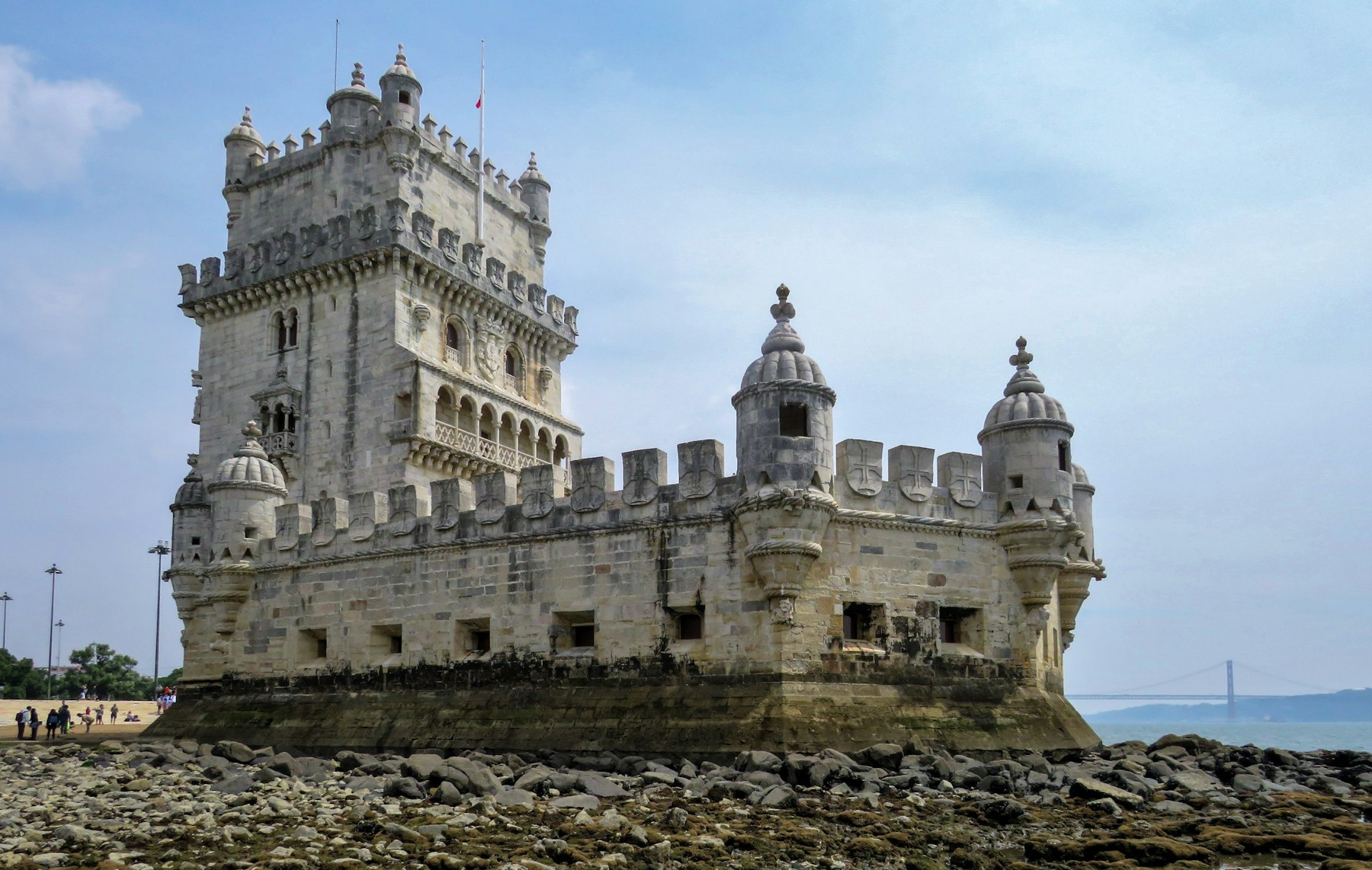
The tower combines a compact fortress with carefully worked stone. From the outside, notice the crenellated parapets, the repeated crosses of the Order of Christ and the rounded sentry turrets. UNESCO notes that the watchtowers are capped with ribbed cupolas whose forms were inspired by Islamic architecture—a detail that reflects the varied influences present in Portuguese building traditions.
Rather than treating the monument as decoration alone, read its architecture in layers: the low bastion meets the river, while the taller tower gives the structure a ceremonial profile. The contrast between practical defence and elaborate detail is central to what makes Belém Tower distinctive among Lisbon’s historic landmarks.
Visitor guidance
Check current access before you go
Belém Tower reopened in May 2026 after conservation and restoration work. Opening arrangements, ticket availability and safety measures can change; consult the official visitor information before setting a time or buying a ticket. The official page also notes that the monument may close when weather creates a risk to visitors.
If step-free access matters to your plans, check the current accessibility guidance carefully: the official information currently limits access for people with reduced mobility to the ground floor, or main hall of the bastion. Allow time to enjoy the riverfront and the wider Belém area even if you do not enter the tower; visiting the neighbourhood does not guarantee admission to the monument.
A thoughtful visit
Pair the details with the riverside setting
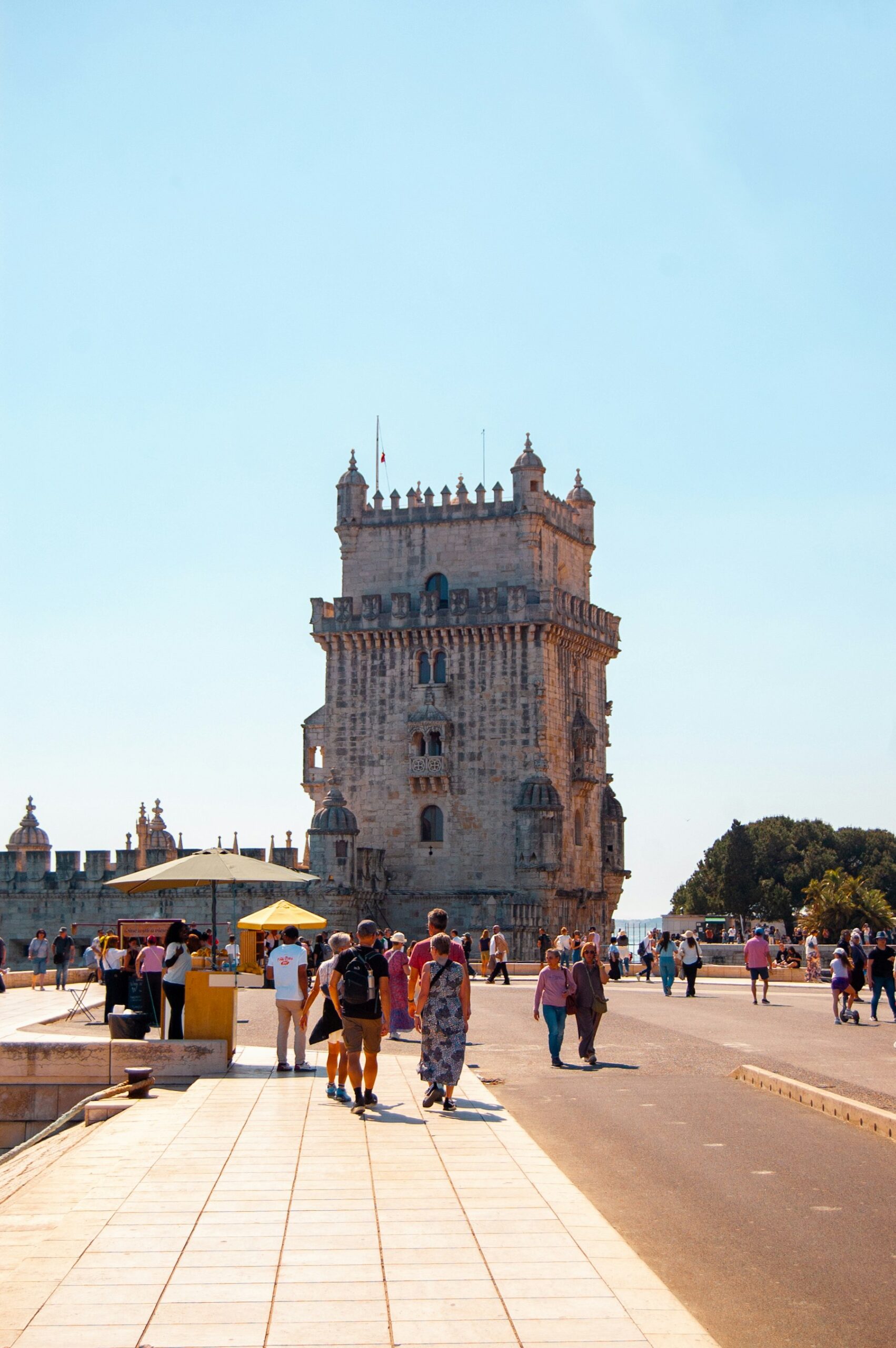
Give yourself time to view the tower from more than one angle. Its relationship with the Tagus, the defensive base and the carved upper levels make more sense together than in a quick photograph from a single viewpoint. Check the official conditions first, then shape the rest of your Belém visit around the access available on your date.
Common question
Belém Tower: visitor questions
Yes. UNESCO lists Belém Tower and Jerónimos Monastery as components of one serial World Heritage property, inscribed in 1983. They are separate monuments with distinct visitor information and access arrangements, so check each official page before planning admission.
Explore Lisbon
Plan a wider Lisbon and Belém day
The published Lisbon tour describes the Belém area. Review its current route and confirm any monument admission separately in the agreed proposal.