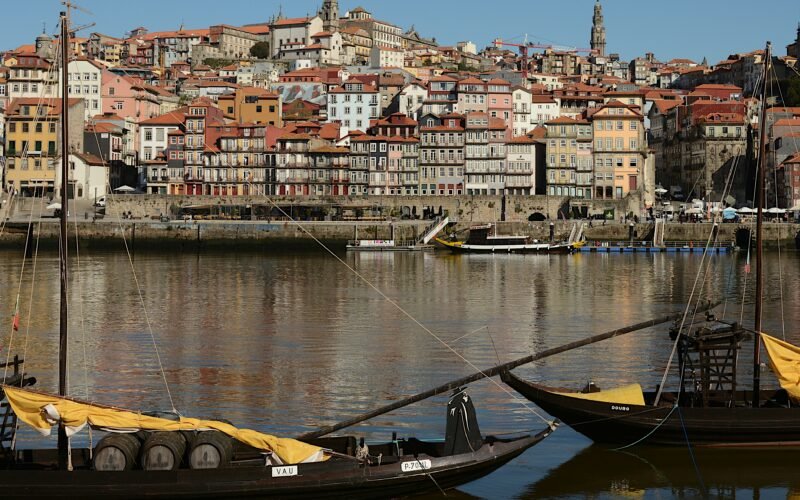
At a glance
What makes Amarante a worthwhile visit?
Amarante combines the Tâmega riverfront, its bridge and the São Gonçalo religious ensemble with an artistic identity linked to Amadeo de Souza-Cardoso. Add the town’s sweet traditions and surrounding Marão landscape, and there is enough variety to shape a visit around your own interests.
Choose your focus
Plan a rewarding visit
Tâmega, bridge and São Gonçalo
Follow the river to understand the town
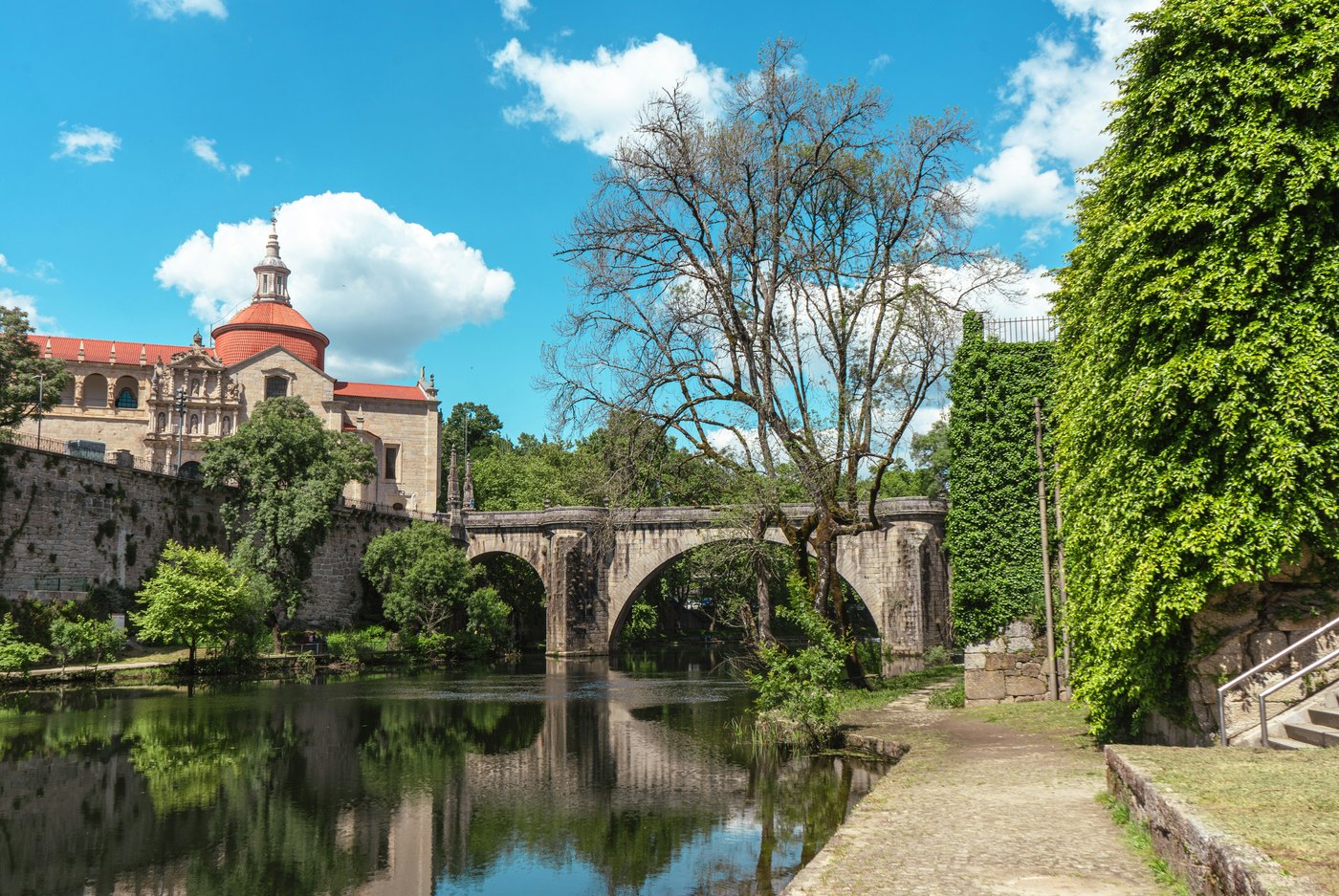
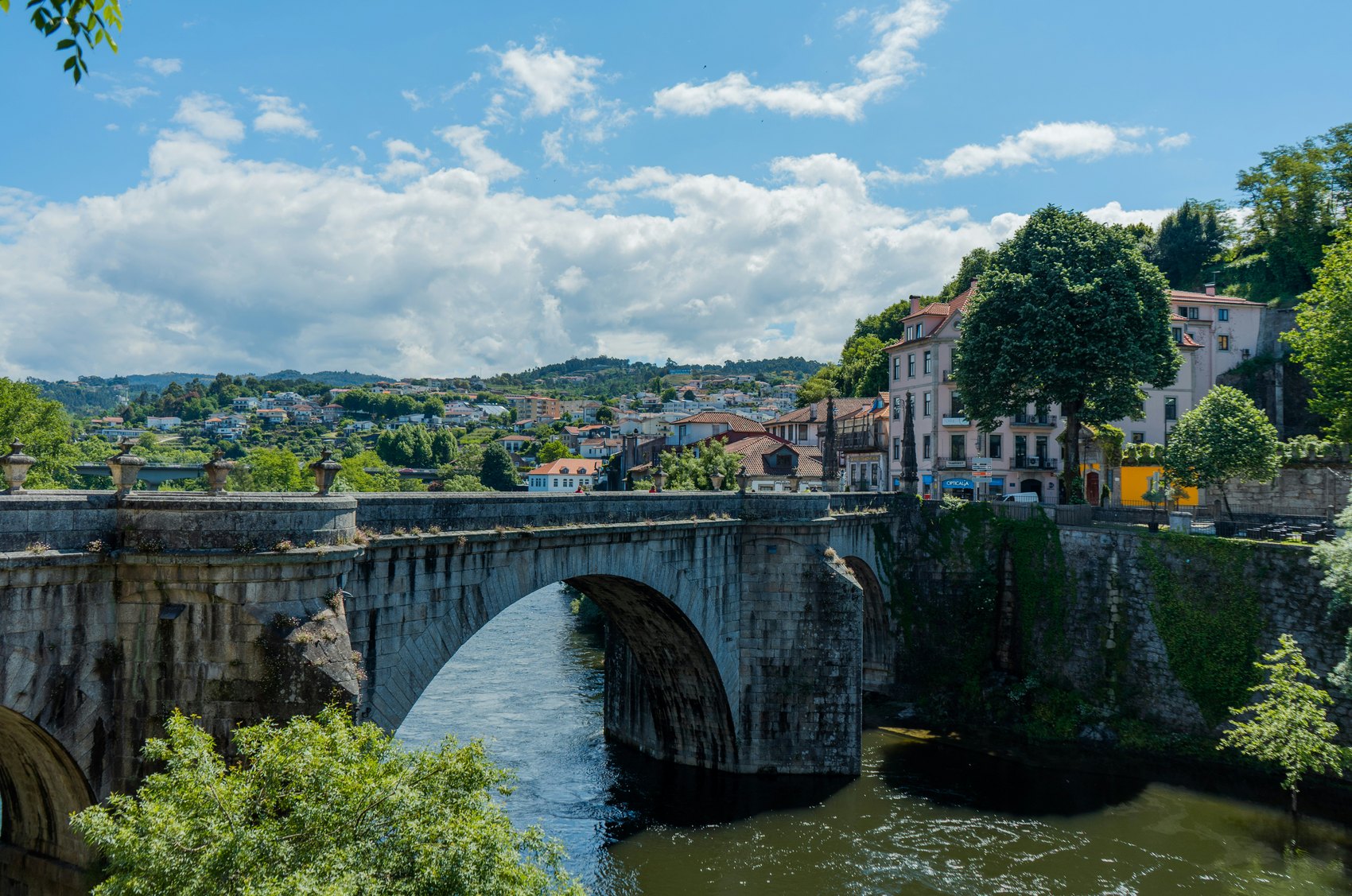
The Tâmega runs through Amarante with buildings gathered along both banks. The bridge and São Gonçalo ensemble give the riverfront its recognisable outline, but the view becomes more interesting when you change your position. Look back towards the church from one side, then notice how the bridge links everyday movement with the town’s monumental setting. An attentive walk can reveal more than a single photograph from the most obvious spot.
The official tourism introduction to Amarante connects the town’s identity with São Gonçalo, the river and the surrounding Serra do Marão. It also recalls the bridge’s association with resistance during the Napoleonic invasions. Use that history as context for the place you are seeing, rather than as a list of dates. If you want to enter a religious space, check its current visitor arrangements separately from the outdoor route.
Photo: Kelly Cristine · Unsplash License. Resized image.
A slower northern Portugal stop
Give the river and local flavours time
Amarante’s sweet traditions provide another way to engage with the town. Papos de anjo, brisas do Tâmega and toucinho do céu are among the examples identified by Portugal’s national tourism service. A pause to choose something locally can make the visit feel less hurried, without turning it into a formal tasting itinerary. Ask about ingredients if you have dietary requirements, and leave availability to the businesses operating on the day.
For a wider trip based in Porto, our guide to Porto’s historic centre and riverside offers a useful city counterpart to Amarante’s smaller scale. Plan the journey around the places you genuinely want to enjoy rather than assuming a riverside town can be fitted into any regional route. A Douro excursion and an Amarante visit are different plans: if combining them interests you, the added travel, time and feasibility need explicit agreement before booking.
Photo: Kelly Cristine · Unsplash License. Resized image.
An artistic alternative
Give Amadeo de Souza-Cardoso a place in the visit
Amarante is also an art destination. The museum associated with Amadeo de Souza-Cardoso occupies the former Dominican convent of São Gonçalo, creating a connection between the town’s religious architecture and a different cultural story. A museum-focused visit changes the rhythm of the day: instead of moving on after the riverside view, you spend time with works, interpretation and the setting in which they are shown.
Consult the municipality’s museum information for the current programme and access. Choose this dimension because art interests you, not merely because a museum is nearby. With mixed interests in a group, discuss whether everyone wants an interior visit or whether a shorter town walk is the better shared plan. Neither option needs to compete with the other; the useful choice is the one that gives the time available a clear purpose.
Our suggestion
Choose one cultural thread and one pause
Pair the river and São Gonçalo setting with either an art visit or a relaxed stop for something local. This creates a complete experience without making every available attraction compulsory.
Planning a Walkborder tour
Weather and itinerary flexibility
Most tours operate in normal rain or fog. The route may be adapted for safety, visibility or monument conditions. Cancellation only occurs when operation is unsafe or impractical.
Yes, within the available time, geography, ticket conditions and operational limits. Major changes should be agreed before confirmation.
Explore northern Portugal
Compare a river-town visit with a Douro day
Walkborder’s Douro tour from Porto focuses on the valley, vineyards and Pinhão. Amarante is not a standard stop in that route. Explore the Douro programme for a different regional experience, and discuss an Amarante request separately before confirming any combined plan.