At a glance
Should you choose Marvão or Castelo de Vide?
Choose Marvão if a compact walled hilltop, castle and broad landscape are your main interest. Choose Castelo de Vide if you want to connect a castle with historic town streets, fountains and Jewish heritage interpretation. Both choices can reward a focused visit; combining them means accepting a more selective experience in each.
Choose your focus
Plan a rewarding visit
Castle and landscape together
Choose Marvão for the fortified hilltop setting
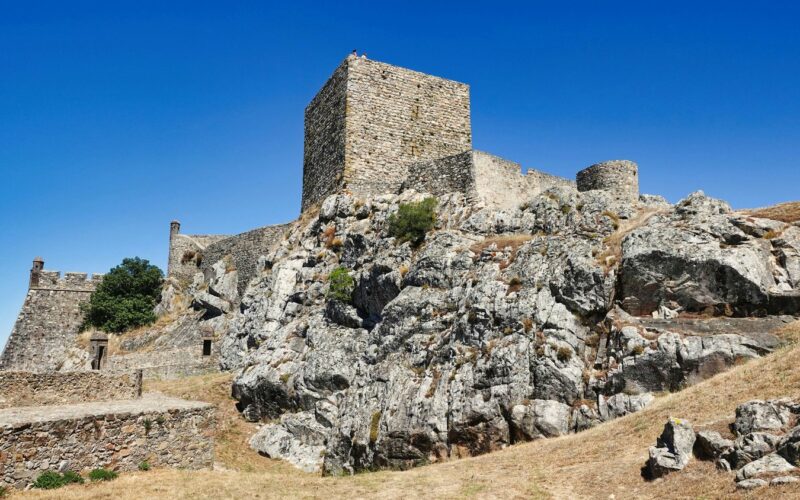
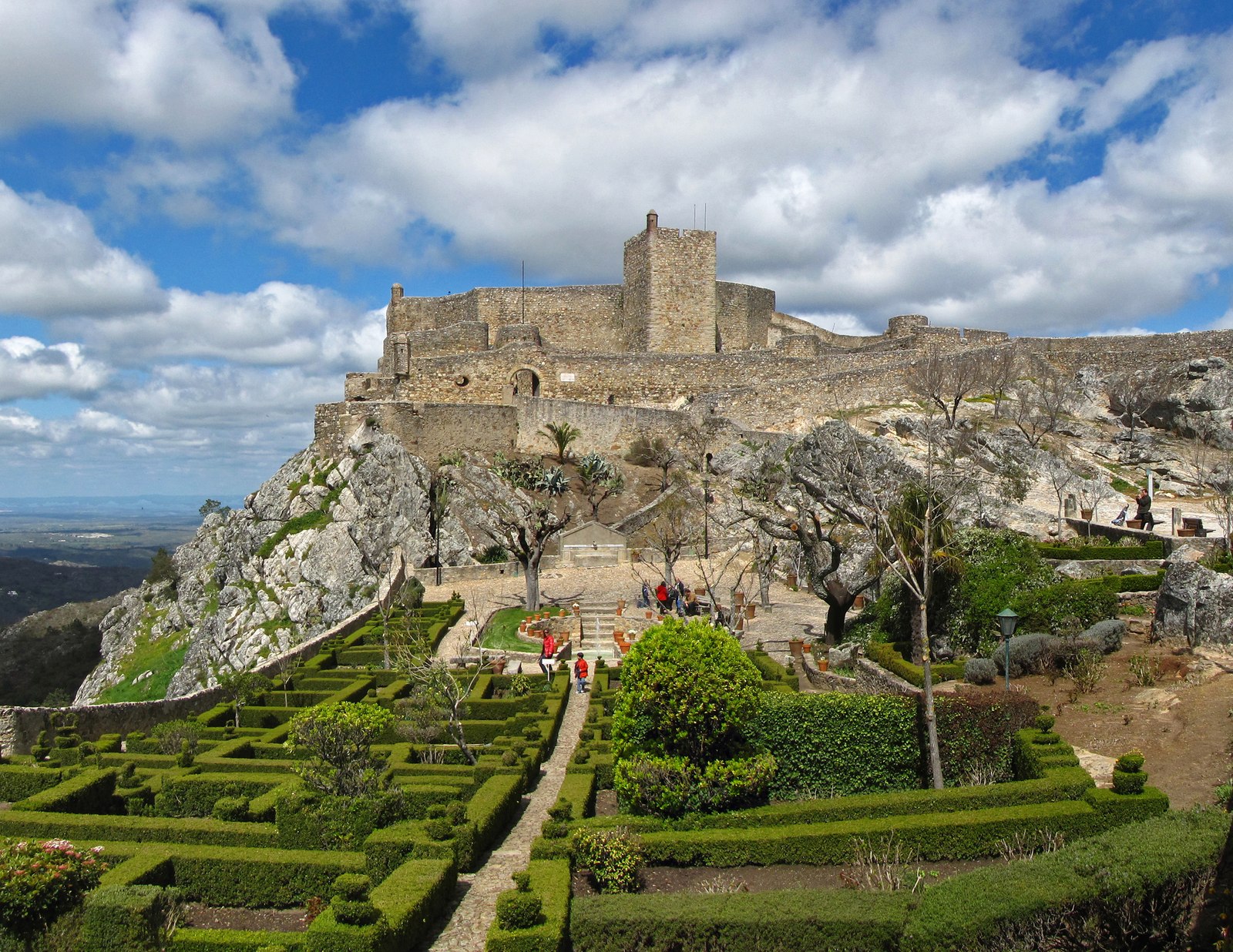
Marvão makes sense when the relationship between a settlement and its landscape is what you most want to see. The compact walled town and castle occupy an elevated setting with wide views when visibility allows. Your interest can move between the fortification, the narrow streets and the surrounding country without needing a long list of separate attractions to justify the visit.
The official tourism introduction to Marvão offers context for that setting. If this is your priority, give it time to make an impression rather than visiting only to collect a panorama. The streets and heritage buildings still have interest when the horizon is less clear. Our dedicated Marvão guide helps you develop the visit after making the choice; this comparison is about deciding which town best fits the day.
Photo: José Porras · CC BY 3.0. Resized and recompressed; original framing retained.
Streets, fountain and Jewish heritage
Choose Castelo de Vide for a town and community story
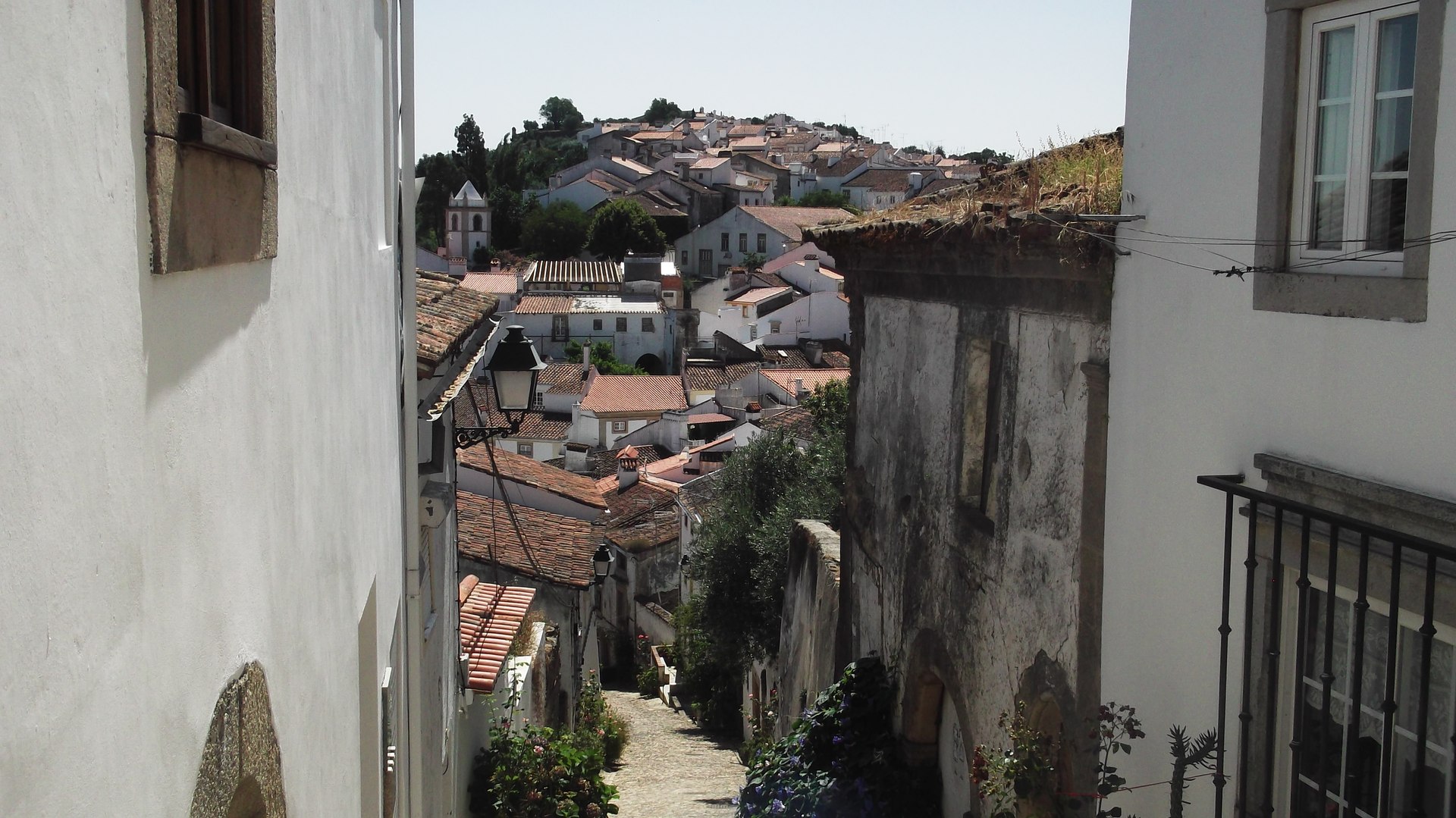
Castelo de Vide also has a castle, but its appeal can be followed through the wider town. The streets between the castle area and Fonte da Vila give the Jewish quarter a place within that urban story. Choose this direction if you want to link architectural surroundings with interpretation of a community’s history, rather than making the distant view the main reason for travelling.
The official Castelo de Vide introduction connects these town interests. A visit to the synagogue museum can add another layer when you want interpretation of the Jewish community’s place in local history. Check the current visit arrangements when planning. Use that interest as a starting point rather than a rigid label: both towns have several stories, and the useful choice is the experience that most engages you.
Photo: RickMorais · CC BY-SA 4.0. Resized and recompressed; original framing retained.
Walking comfort and what to include
Let the group’s interests shape the route
Both places have historic surfaces and changes of level that need a site-specific decision. Neither a compact town nor an attractive street photograph establishes a universally easy route. Discuss slopes, steps, pauses and the parts of the visit that matter most before making an interior or exposed viewpoint essential for everyone. The group may prefer an attentive outdoor circuit to several admissions, or the reverse.
If religious and community history are a priority, give interpretation time rather than treating the museum as another quick stop. If landscape is the main attraction, leave room to observe it instead of filling the day with extra buildings. These are practical starting points, not a ranking. There is no reason to promise that one town is always cheaper, quieter or more accessible, especially without the exact route and current visitor arrangements.
A clear day with honest connections
Choose one town slowly or combine both selectively
A second town adds transport, arrival and another set of visitor decisions. Combine the two when an introduction to different settings is the goal, and accept that you will choose what to leave out. Choose one when you want to follow a particular interest or keep time for a relaxed pause. Proximity does not turn Marvão and Castelo de Vide into one castle site or establish a continuous walking route between them.
Name the place, the interpretation that interests you and the walking needs of your group when requesting a programme. That gives a proposed visit a clear purpose before individual interiors or additional stops are selected. Walkborder’s Jewish Route in Portugal is thematically related but does not include either town, so a local programme needs a separate agreement.
Our suggestion
Choose the story, then the number of towns
Start with the fortified landscape or the town-and-community history that interests you most. Add the second town only if it leaves enough time for that priority, rather than choosing both simply because their names often appear together.
Planning a Walkborder tour
Weather and itinerary flexibility
Most tours operate in normal rain or fog. The route may be adapted for safety, visibility or monument conditions. Cancellation only occurs when operation is unsafe or impractical.
Yes, within the available time, geography, ticket conditions and operational limits. Major changes should be agreed before confirmation.
Explore Jewish heritage in Portugal
Keep the comparison distinct from the published Jewish Route
Walkborder’s Jewish Route in Portugal offers a thematic journey, but neither Marvão nor Castelo de Vide is in its published programme. Review that route separately and agree any local request explicitly; no combined day, museum entry or added stop is implied.