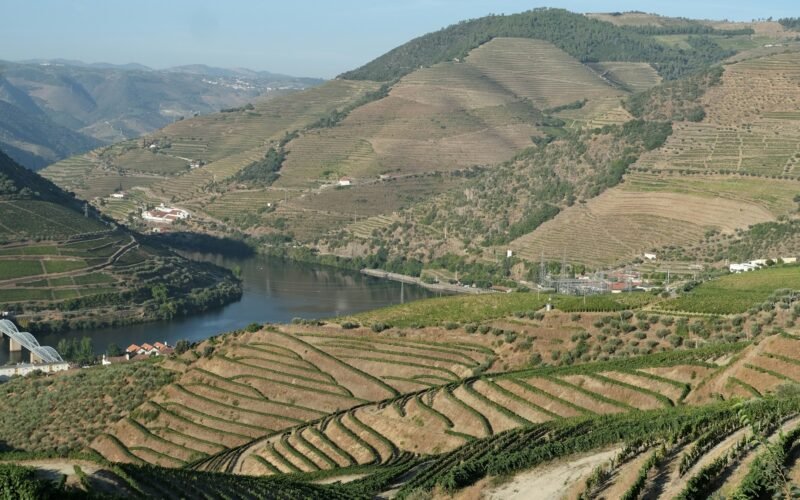
Before you go
The essentials for your visit
Visit for the relationship between a surviving church and the remains of a larger monastery. Casa da Tulha adds interpretation; the whole setting is more rewarding when you give each part a distinct role.
What to explore
Check for your date
Begin with the monastery’s place in the valley
The official cultural account dates the start of construction of this Cistercian monastery to 1154. Its setting in the Varosa Valley is part of the story: the religious building belonged to a wider landscape of work and organization. Start by looking at the ensemble rather than isolating the church façade.
A useful first question is how the surviving spaces relate to one another. What appears complete, what survives as a footprint, and what needs interpretation? That approach turns a collection of stone remains into a more legible place, even before you read the detailed historical panels.
Vitor Oliveira from Torres Vedras, PORTUGAL / Wikimedia Commons / CC BY-SA 2.0
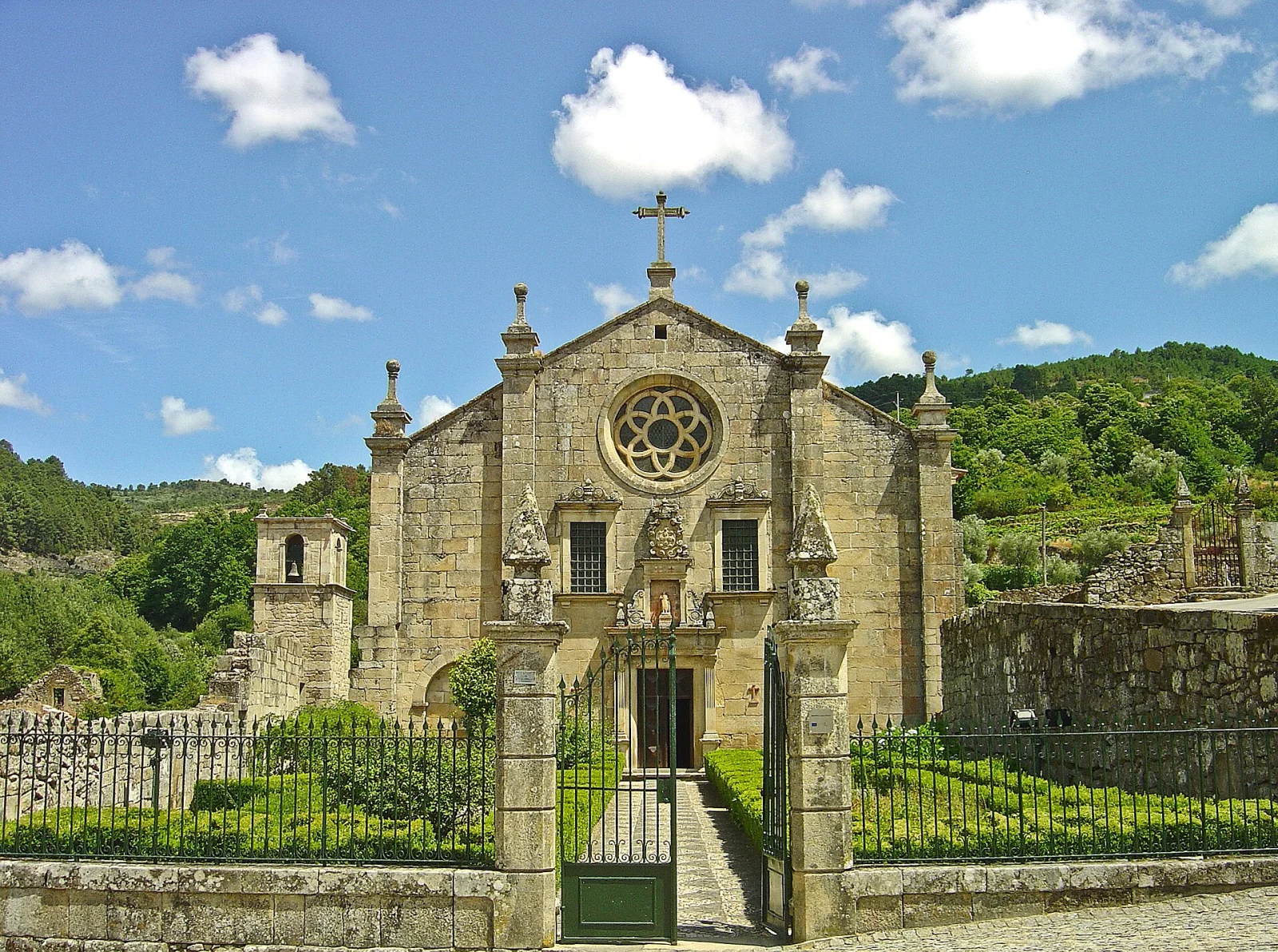
Church and archaeological remains tell different stories
The church and the excavated monastic dependencies are distinct parts of the visit. Look at the contrast between a standing building and the traces of spaces whose original volume is no longer there. A room plan can reveal movement and organization, while the church provides an immediate sense of architectural scale.
After the dissolution of the religious orders in 1834, the church became a parish church and other dependencies were sold. This helps explain the different survival of the parts. Respect worship and any restrictions in the church, and remain within the permitted paths around archaeological areas.
Pedro from Maia (Porto), Portugal / Wikimedia Commons / CC BY 2.0
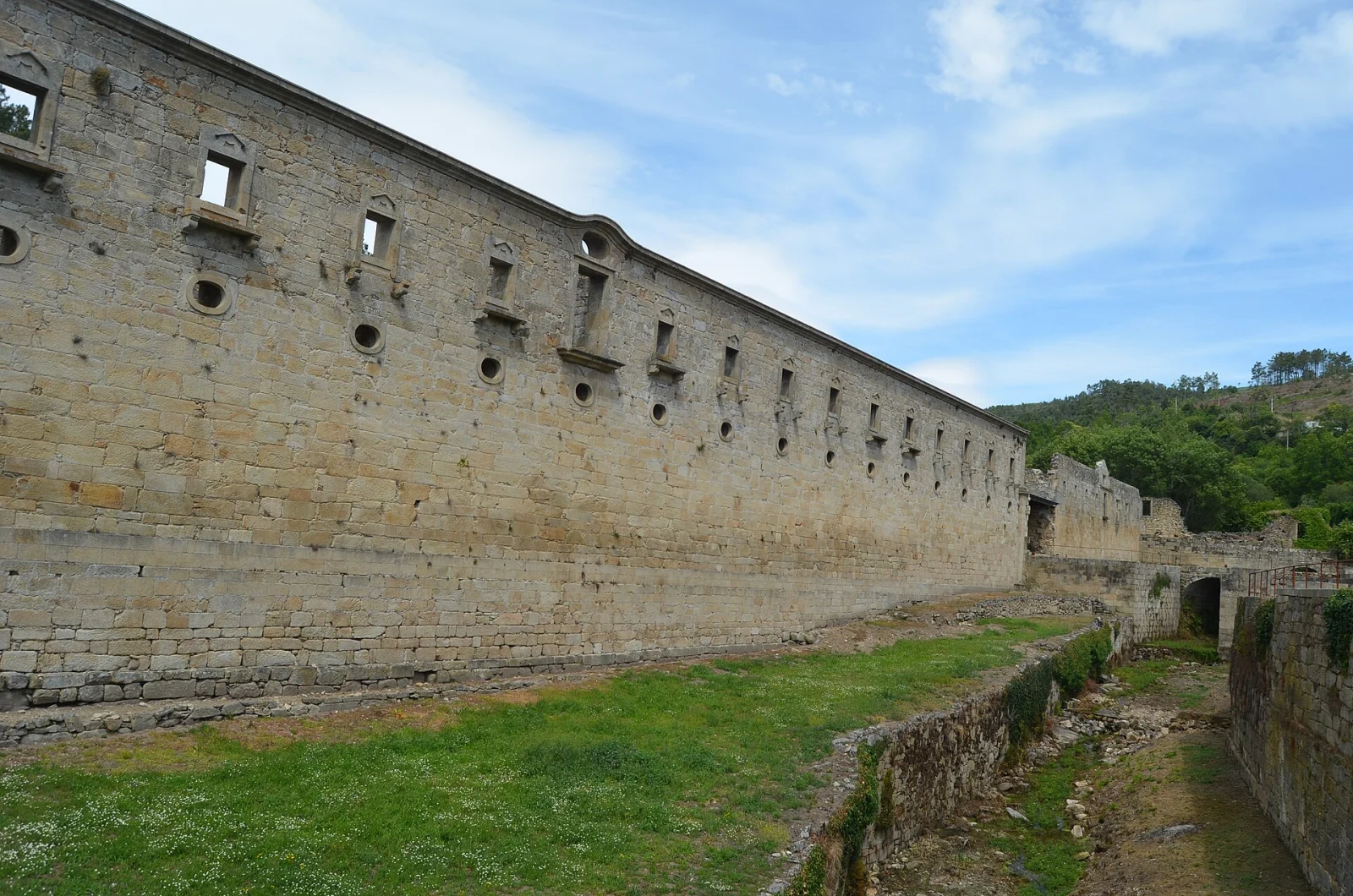
Use Casa da Tulha to connect the pieces
Casa da Tulha, the former monastic granary, houses interpretation of the site. If it is open for your visit, use it to connect what you have seen with the monastery’s history. A granary also directs attention towards everyday organization, beyond the monumental appearance of the church.
For the wider journey, our Portugal travel planning guide can help establish a coherent route. Tarouca belongs to a Varosa heritage visit; combining it with the Douro is a choice to plan, not evidence that a wine tour or cruise includes the monastery.
Plan for the spaces that are actually open
Check the official operator’s current information before travelling. Opening arrangements, admissions and temporary restrictions can differ between the church, interpretation and archaeological remains. Leave enough flexibility to change the order of your visit rather than building the whole day around an unconfirmed interior.
For mobility needs, ask about the real approaches and surfaces in each space. Archaeological ground and a church entrance do not necessarily offer the same access. Wear suitable footwear, follow photography instructions and avoid climbing walls or handling remains. A thoughtful visit leaves both the religious and archaeological setting undisturbed.
Our recommendation
Give this stop room in your itinerary
Choose São João de Tarouca when Cistercian history and the Varosa landscape genuinely interest you. A private route can be discussed around that focus. Confirm the monastery stop, access arrangements and any guiding in the written proposal; a general Douro recommendation does not establish those services as included.
Travel with Walkborder
A wider Portugal journey
A visit to São João de Tarouca can complement a wider Douro journey. Walkborder’s published Douro Valley tour focuses on the wine landscape and Pinhão, so the monastery must be planned separately and is not an advertised inclusion.