Before you go
The essentials for your visit
Come for a cultural landscape shaped by agriculture. A village visit and a viewpoint can be rewarding in their own right; a longer walk along the valley is a separate choice that needs a checked route.
Look beyond the view
Choose your visit
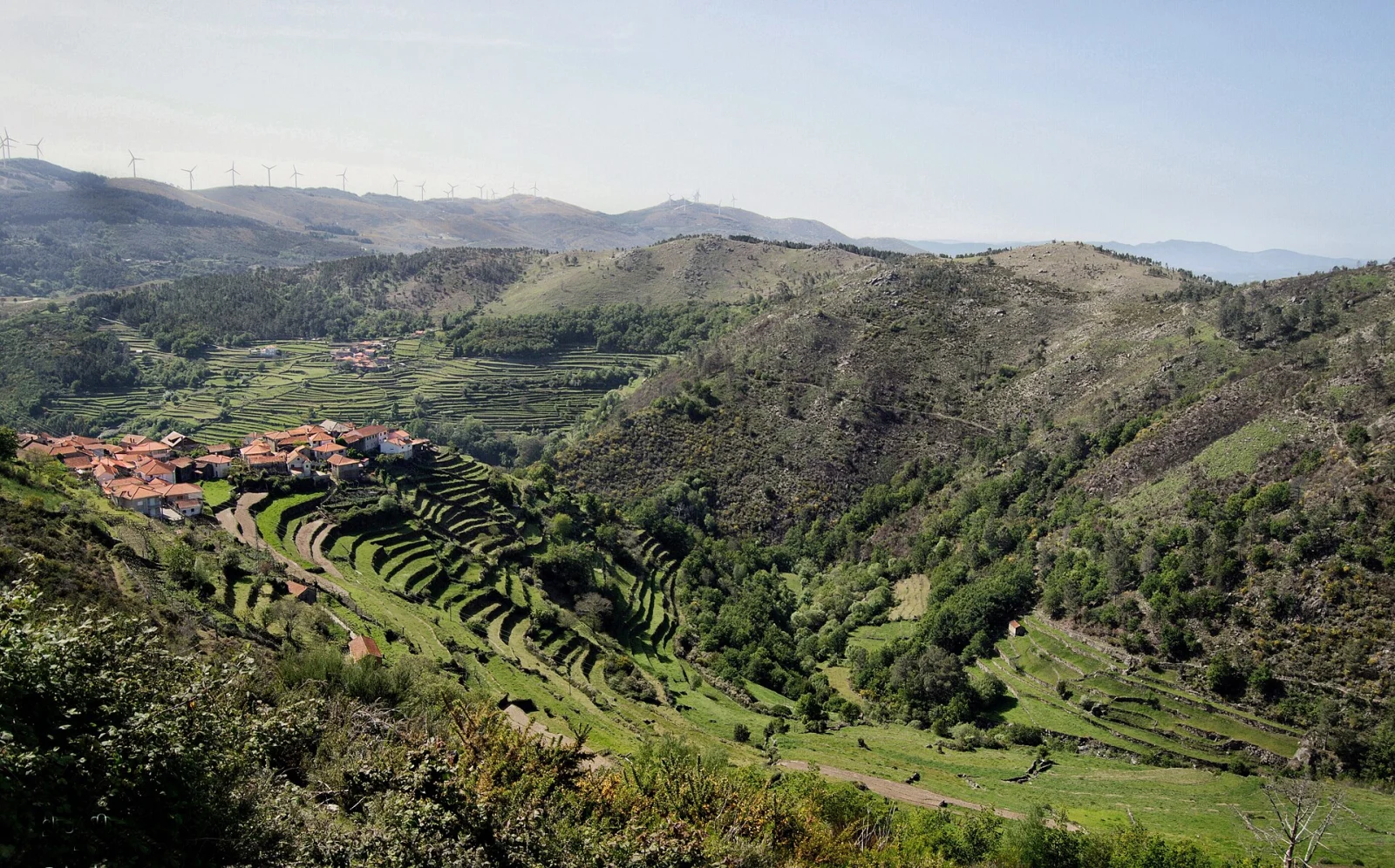
Understand what the terraces mean
Sistelo’s stepped fields respond to a practical problem: steep slopes and limited fertile land. Their form reflects the work needed to turn the hillside into agricultural ground. Looking at the landscape with that in mind makes the visit richer than treating it simply as an unusual pattern for a photograph.
The Rio Vez and the surrounding slopes give the scene its scale. Look for the relationship between fields, settlement and water, and remember that the terraces are part of a working cultural landscape. A boundary or a gate is not an invitation to enter for a closer view.
AJSL48 / Wikimedia Commons / CC BY-SA 4.0
Walk through the village, not just to a viewpoint
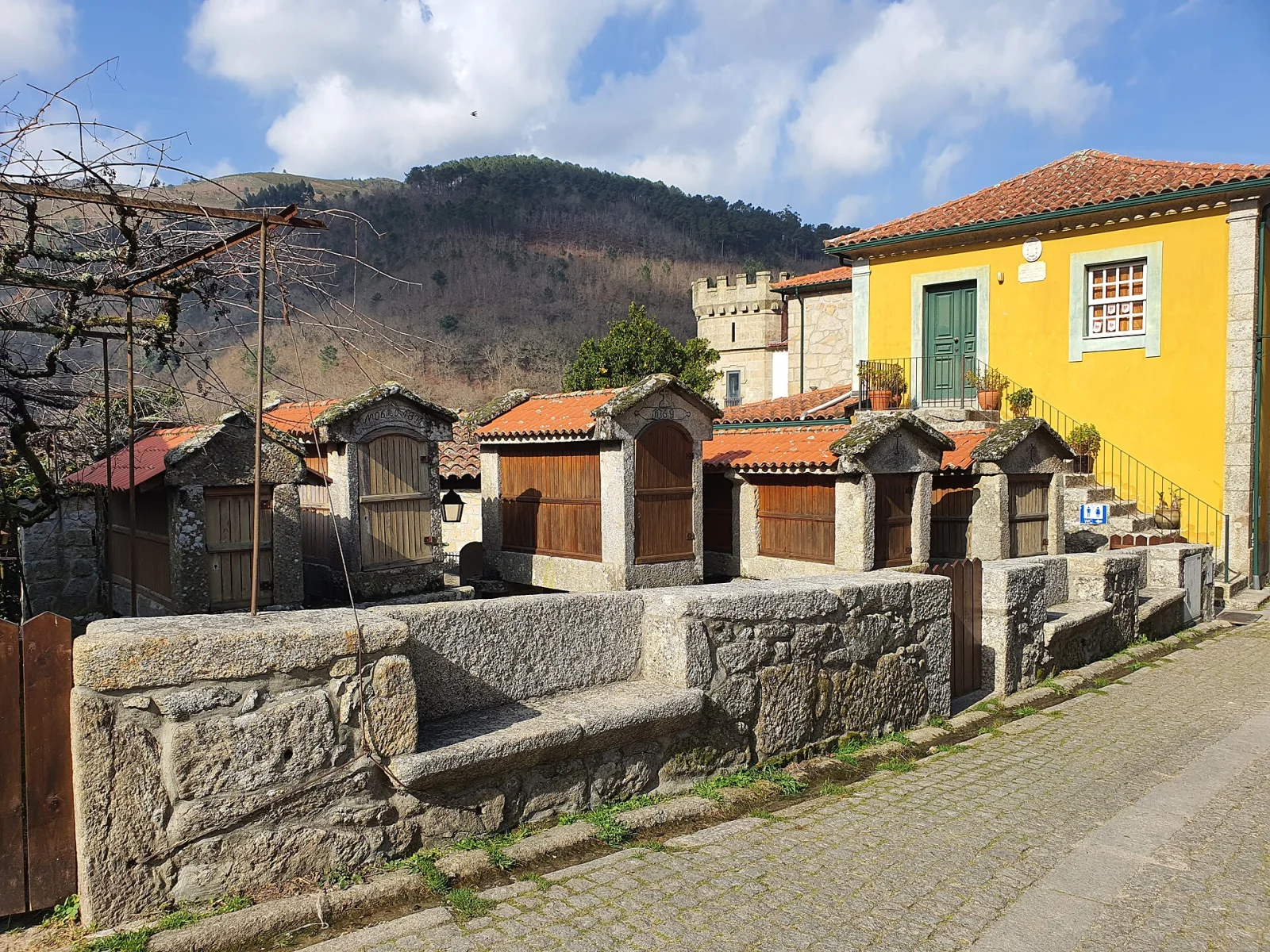
The village gives the landscape a human centre. Spend time on its public streets and notice how buildings, access and cultivated ground fit together. The Casa do Castelo is a nineteenth-century revivalist palace; its name should not lead you to expect a medieval fortress.
Exterior interest does not establish that a building is open for visits. Keep doorways and narrow passages clear and respect signs indicating private property. Visiting quietly allows the everyday life of the village to remain visible, rather than turning it into a stage reserved for visitors.
Hugo Ferreira / Wikimedia Commons / CC BY-SA 4.0
Choose a viewpoint or a walking route with purpose
Official visitor information distinguishes different village, bridge and mountain walking options. Select a route for the experience you want and the group’s abilities. A short visit to the village does not require committing to a long valley walk, and a photograph of a walkway does not explain the gradients or the return.
Our Peneda-Gerês and northern landscapes guide helps place the visit in a wider itinerary. Check the actual starting point, route description and onward roads before combining Sistelo with another attraction. Leave room to pause where the landscape is most meaningful.
Keep the terraces and village in working order
Stay on public marked paths, avoid crops and leave gates as instructed. Wear shoes suitable for uneven ground and take water for the route you have chosen. Stone and steps can be slippery when wet; check weather and local route notices before setting out.
For visitors with mobility needs, ask specifically about slopes, steps, surfaces and access to viewpoints. A village centre, a riverside path and a mountain trail are different environments. Choose a gentler plan when appropriate, take all rubbish away and avoid blocking roads or farm access while taking photographs.
Our recommendation
Give this stop room in your itinerary
Give Sistelo time for both the landscape and the village. Tell Walkborder whether you prefer a short cultural stop, viewpoints or a walking-focused day when discussing a private route. Confirm what is feasible and included rather than assuming that any northern tour covers the village or a guided hike.
Travel with Walkborder
A wider Portugal journey
For a broader northern Portugal trip, Walkborder’s three-day programme combines Porto, Braga and Guimarães, and the Douro Valley. Sistelo is not part of that published itinerary; ask separately about a village extension.