At a glance
What makes Estremoz a distinctive visit?
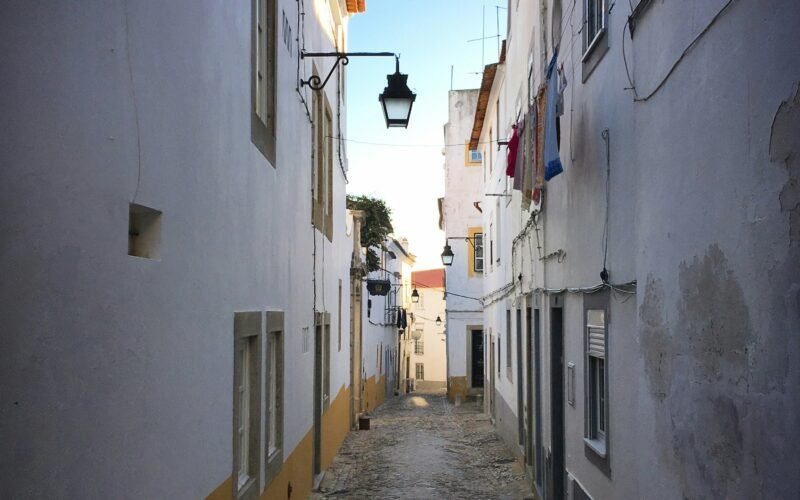
The castle setting and white-marble keep offer one view of Estremoz; the town and its clay-figure tradition offer another. UNESCO recognition belongs to the craftsmanship of the figures, inscribed in 2017, not to the whole city, its marble or the castle.
Choose your focus
Plan a rewarding visit
Material and the elevated setting
Start with the castle hill and its marble keep
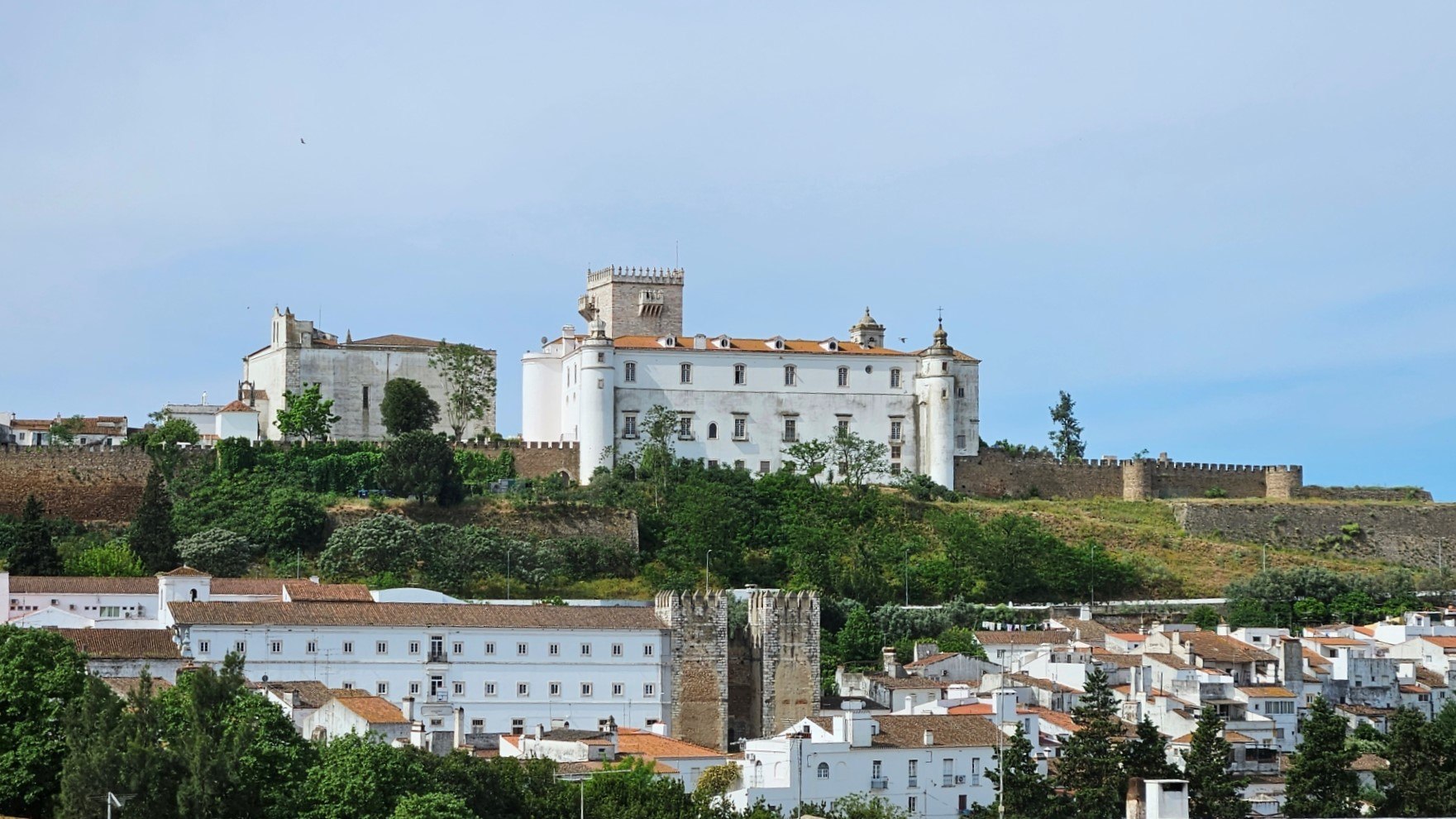
The castle occupies a hill above Estremoz and the surrounding Alentejo landscape. Its keep prominently uses white Estremoz marble, making stone an immediate part of the story rather than a decorative footnote. Begin by looking at the relationship between the tower, the wider ensemble and the town below. The appeal comes from understanding the setting as much as from a close-up of one monument.
The municipality’s castle interpretation places the ensemble within its historical context. Medieval and later layers remain part of the present town, so avoid imagining one unchanged period. Some parts of the setting are used by a pousada; seeing a building does not establish access to hotel interiors or the tower. Confirm specific visitor arrangements and enjoy the exterior from authorised public space without treating every doorway as a museum entrance.
Photo: GualdimG · CC BY-SA 4.0. Resized and recompressed; original framing retained.
Rossio and the urban setting
Give the lower town a different rhythm
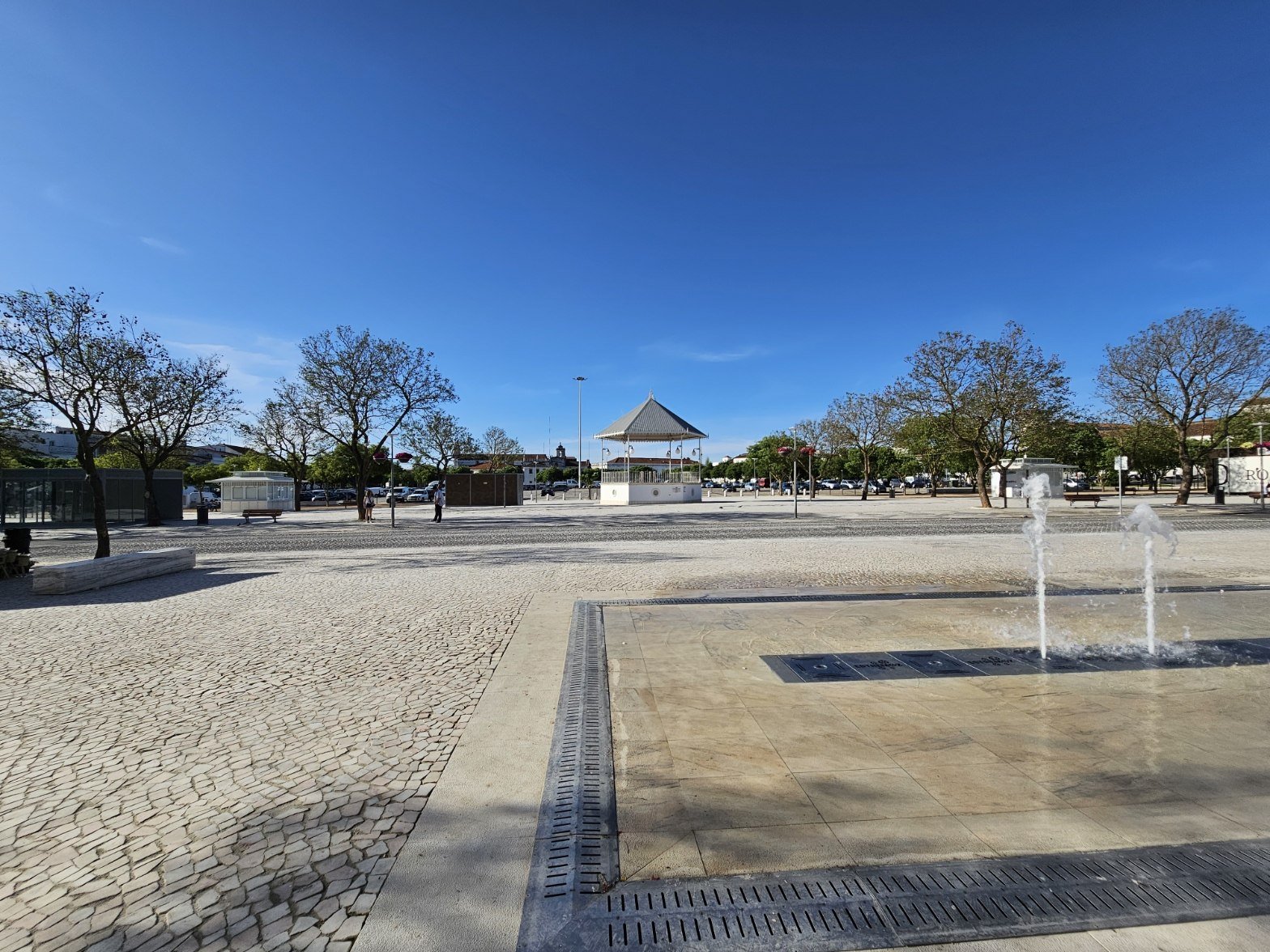
The lower town offers a change of scale after the castle hill. Around the Rossio and surrounding streets, the experience is less about reaching a viewpoint and more about noticing how buildings and open space work together. Pause to compare the public architecture and everyday movement with the enclosed feel of the upper setting. This makes the town part of the visit rather than simply the way to the castle.
Choose the extent of the walk according to slopes, historic surfaces and the group’s interests. Leave room for a pause instead of assigning every open space to the next photograph. Do not build the day around an assumed market, workshop or special event without current confirmation. A visit can be complete through the relationship between hill and town, with a cultural interior added only when it serves the story you want to understand.
Photo: GualdimG · CC BY-SA 4.0. Resized and recompressed; original framing retained.
A craft with its own UNESCO recognition
Look at the clay figures as knowledge as well as objects
The clay figures of Estremoz represent daily life, trades, popular traditions and religious subjects. Their production involves modelling and assembling clay, firing and painting, with skills passed on through artisans and workshops. The UNESCO inscription of the craftsmanship recognises this knowledge and practice, placing the emphasis on the people and skills behind the objects as well as the finished figures.
If you want to learn more or choose a piece, ask about the maker, the process and the subject depicted; arrange any demonstration or class directly. Our Évora travel guide offers another cultural perspective in the region. Give your chosen craft or heritage interest time before combining towns. Walkborder’s three-day Alentejo itinerary is a regional alternative that does not visit Estremoz; a local request needs a separate agreement.
Our suggestion
Connect the two materials through a focused visit
Use marble to read the castle setting and clay to explore the town’s living craft. One attentive heritage walk and one genuinely arranged cultural interest can offer more depth than trying to include every possible activity.
Planning a Walkborder tour
Weather and itinerary flexibility
Most tours operate in normal rain or fog. The route may be adapted for safety, visibility or monument conditions. Cancellation only occurs when operation is unsafe or impractical.
Yes, within the available time, geography, ticket conditions and operational limits. Major changes should be agreed before confirmation.
Explore the Alentejo
Keep Estremoz as a separately agreed priority
Walkborder’s three-day Alentejo tour offers a related regional itinerary, but Estremoz is not a listed stop. Review its actual programme and discuss an Estremoz request separately; tower access, museum admission, artisan demonstrations and quarry visits are not implied.