At a glance
What makes São Jorge Castle worth visiting?
São Jorge Castle combines open views over Lisbon with a fortified hilltop and evidence of much older occupation. Give both the landscape and the archaeological context space in your visit.
What makes it special
Plan your visit
The city in context
Look across Lisbon before following the walls
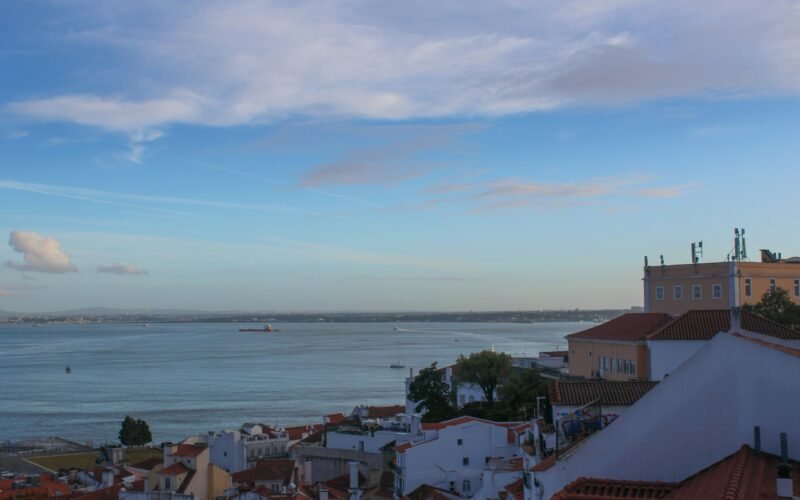
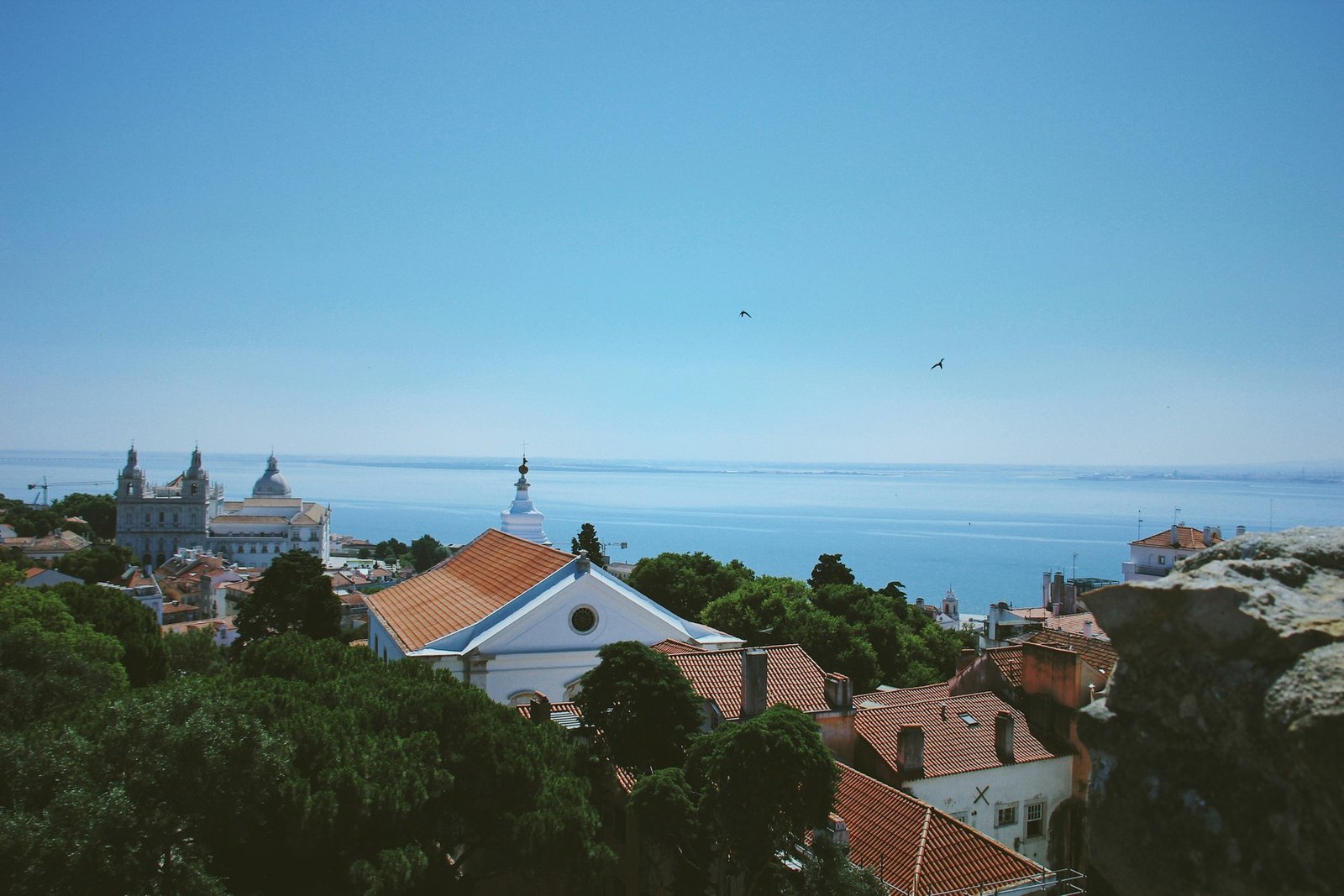
São Jorge Castle occupies a prominent hill above Lisbon’s historic centre. From its viewpoints, the Tagus becomes a useful guide to the city: look for the riverfront, the lower streets and the way the urban fabric rises over neighbouring slopes. The panorama is more rewarding when you use it to understand the places you have walked through, rather than simply collecting another skyline photograph.
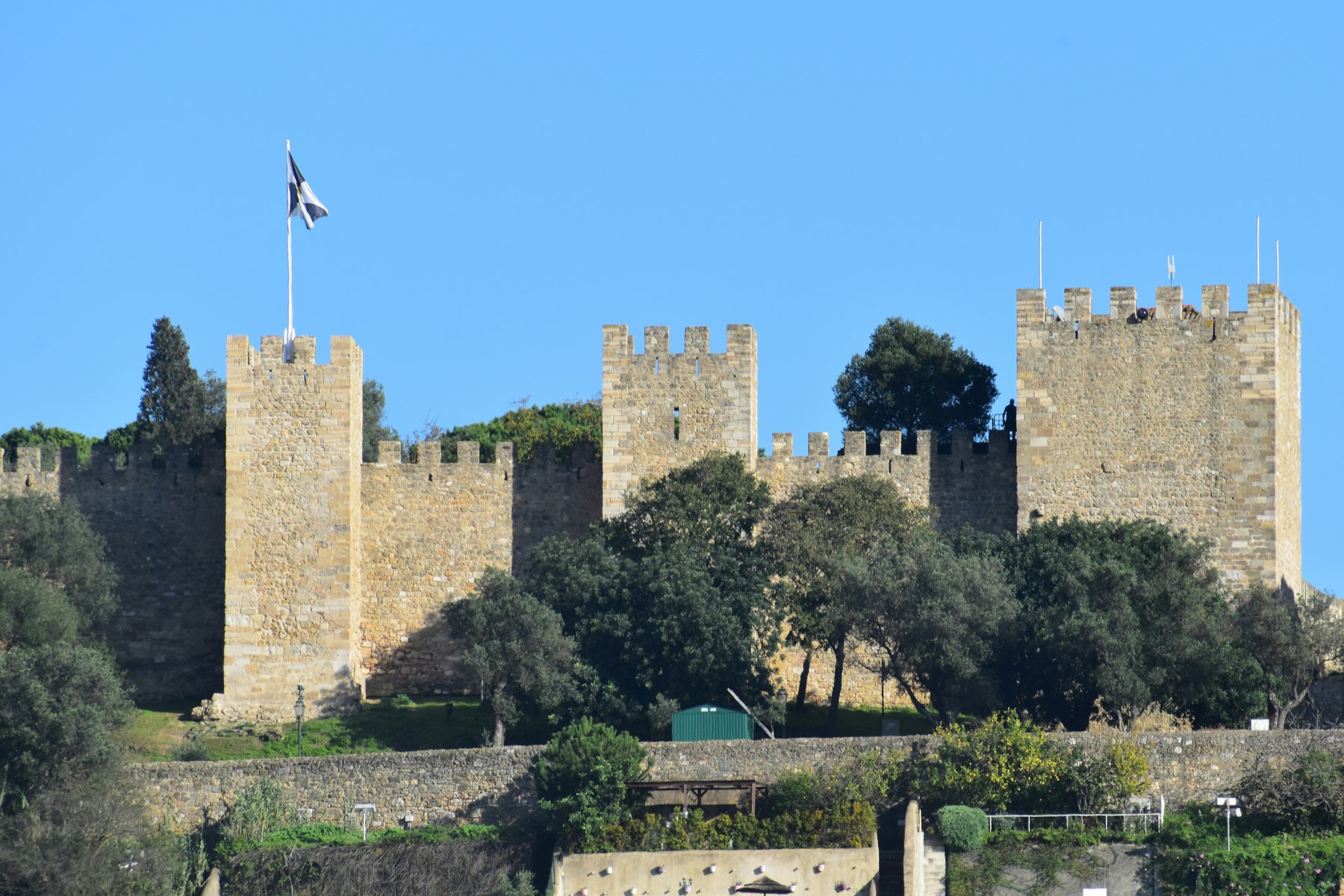
Begin with the open spaces before choosing the parts of the fortifications that suit your interests and mobility. A wide view from the grounds and a walk along a raised defensive section are different experiences. Stone surfaces and changes of level need attention, particularly when conditions are wet or hot. Check the castle’s official visitor information for current access arrangements instead of assuming every part of the site is available on the same terms.

Layers of Lisbon’s past
Archaeology adds depth to the medieval silhouette
The castle is not a single untouched relic from one century. Its hill preserves evidence of successive communities, while the fortified ensemble reflects medieval use and later change. Lisbon’s capture by Afonso Henriques in 1147 is an important point in that history, but it is not the beginning of human occupation here. Looking at the site in layers helps connect the familiar ramparts to a longer urban story.
The official Lisbon tourism introduction offers context for the monument. On the ground, read the interpretation panels and distinguish excavated remains from standing fortifications and restored structures. Archaeological areas, exhibitions and specialist visits may have their own access conditions. Choose what genuinely interests you, and check the current programme rather than expecting a particular guided activity to be included in ordinary admission.
Practical choices
Plan the hill as part of a comfortable city day
The ascent is part of the experience, but it can also shape the whole day. Think about where you start, how you will reach the castle and how much walking you want afterwards. The neighbouring historic streets reward a slow pace, and a castle visit can leave less room for a long itinerary elsewhere. Suitable footwear, drinking water and a plan for shade or rain make the visit more comfortable without dictating a rigid schedule.
Tell your guide about mobility needs before confirming arrangements; a private vehicle does not eliminate steps inside a monument. For help deciding how much to combine, our guide to planning a private day from Lisbon without rushing explains how to keep a journey focused. A broader Lisbon tour can provide neighbourhood context, but a castle stop, admission and time inside should be agreed explicitly rather than inferred from a photograph or a city-tour title.
Our suggestion
Use the panorama to read the city
Identify the river and a few neighbourhoods from the grounds, then connect the view with the archaeological interpretation. You will leave with a clearer sense of Lisbon than from a rushed circuit of every wall.
Questions about your private tour
Tickets and walking requirements
It depends on the selected tour. Each product page states exactly what is included, and the final confirmation lists any timed tickets.
The route can be adapted, but most major monuments include slopes, steps or uneven surfaces. Share mobility needs before confirmation.
Discover Lisbon privately
Put the castle hill in a wider Lisbon story
Walkborder’s private Lisbon tour explores historic neighbourhoods and Belém. Use its itinerary as a starting point; confirm any São Jorge Castle stop or interior visit separately before booking.